
There is a particular kind of silence that exists just before a Balinese sunrise — the kind that settles over a volcanic crater at 4 a.m., broken only by the sound of your own footsteps on dark lava rock. Mount Batur sunrise trekking has earned its reputation as one of Southeast Asia’s most rewarding pre-dawn experiences, and not without reason. By the time the first light begins to spill over the caldera and the cloud layer below you turns amber and gold, most of Bali is still asleep.
This guide is written for travelers who have decided they want this experience — and want to arrive at the trailhead genuinely prepared for it.
What Is Mount Batur Sunrise Trekking?
Mount Batur is an active stratovolcano rising from the highland region of Kintamani in northern Bali. At approximately 1,717 metres above sea level, it sits at the rim of a vast ancient caldera that also cradles Lake Batur — a landscape so dramatic it has been designated a UNESCO Global Geopark.
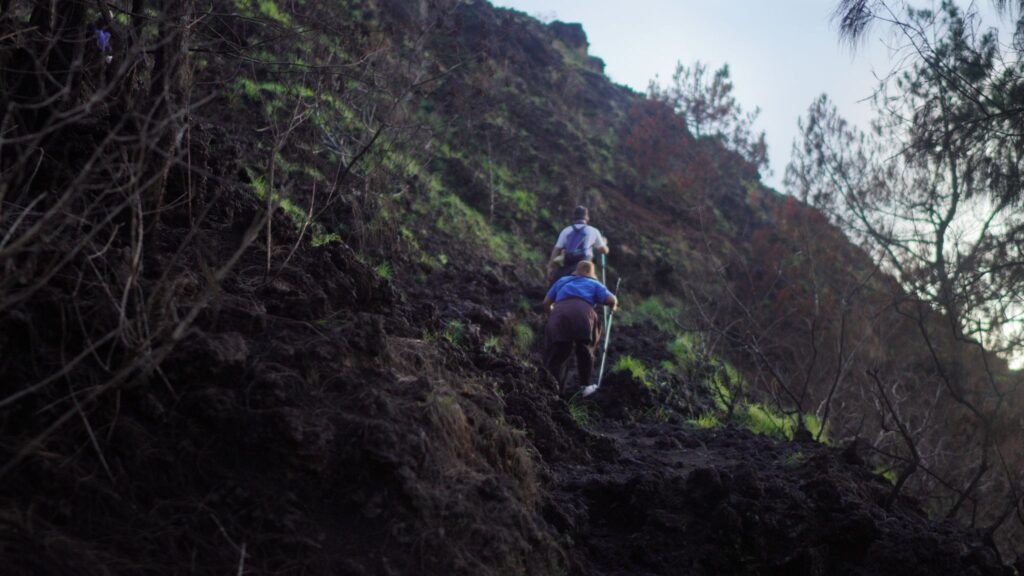
The sunrise trek follows a guided trail from the base village of Toya Bungkah, ascending through layers of hardened lava field and volcanic terrain to reach the summit in time for dawn. Most treks begin in the early hours of the morning, timed carefully so that hikers arrive at the top just as the sun clears the eastern ridge.
It is one of Bali’s most iconic outdoor experiences — not because of any particular difficulty, but because of what greets you at the top.
Who Is This Trek Best For?
Mount Batur sunrise trekking is accessible to a wide range of travelers. You do not need to be an experienced hiker or an athlete. That said, it is a genuine physical effort, and arriving with a reasonable base level of fitness will make the experience significantly more enjoyable.
This trek is well suited for:
- Adventurous travelers looking for something beyond beach holidays
- Couples and small groups seeking a memorable, shared experience
- Solo travelers who want a meaningful moment of solitude at altitude
- Families with older children and teenagers who are reasonably active
- Anyone who has been curious about Bali’s volcanic landscape and wants to see it from the inside
This trek may be challenging for:
- Those with limited mobility or knee concerns, as the descent over loose volcanic rock can be demanding
- Travelers who struggle with early wake-up times, as a 2–3 a.m. start is standard
- Anyone with a fear of heights, though the trail itself is generally well-managed and guided
What to Expect on the Trail
The Night Before: Getting Into Position
The pre-dawn timing of this trek is not incidental — it is the entire architecture of the experience. To reach the summit in time for sunrise, most hikers begin the ascent around 2 to 4 a.m., depending on conditions and the season’s sunrise time. This means your night before matters considerably.
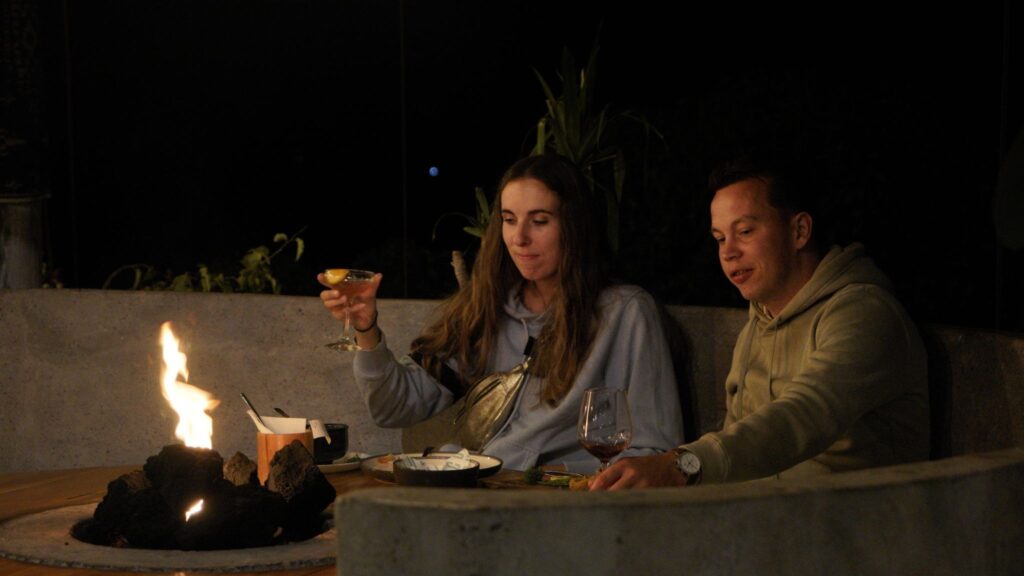
Travelers who stay in the lowland resort areas of Seminyak or Canggu will face a drive of two hours or more before even reaching the trailhead. Those staying in Kintamani, in the highlands near Mount Batur itself, can rest close to the mountain and reach the start with far less disruption to sleep and no anxious pre-dawn journey through the dark.
The Ascent
The trail rises steadily through volcanic terrain — at times steep, occasionally loose underfoot, always manageable with a local guide who knows the path well. The darkness is part of the experience. Headlamps illuminate the immediate path; beyond them, the highland air is cool, sometimes cold, and often filled with the faint smell of sulphur that signals the mountain’s quiet geological life.
The ascent typically takes between one and a half to two and a half hours, depending on your pace and group size. Most guides set a rhythm that is sustainable rather than rushed — this is not a race to the top, but a deliberate arrival.
The Summit and the Sunrise
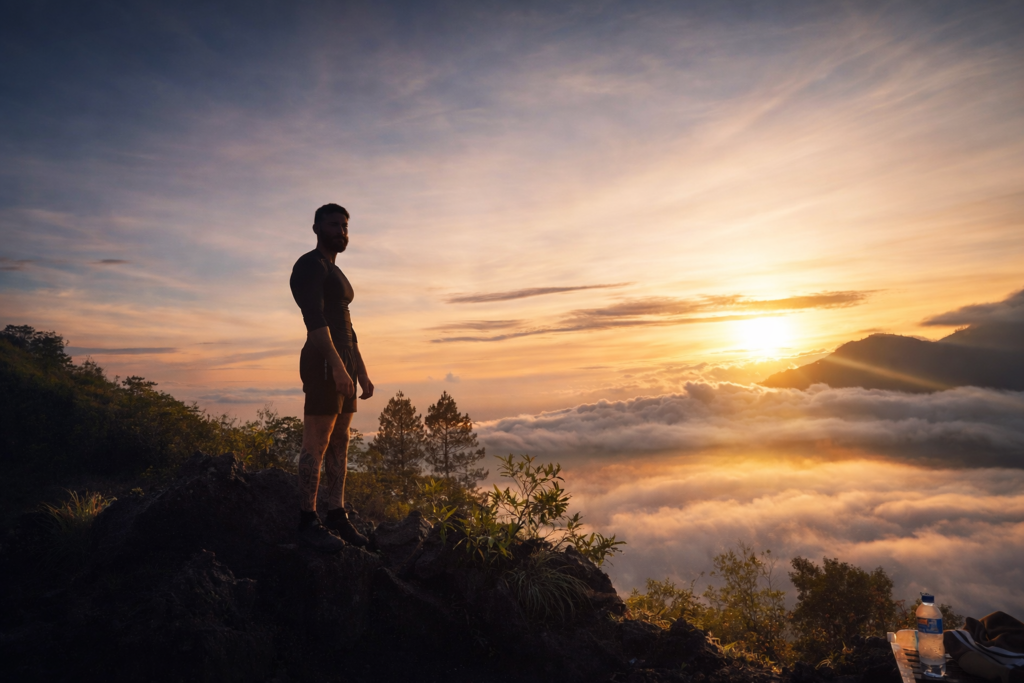
There is no clean way to describe the summit moment without it sounding like a travel cliché — so instead, consider the conditions: you are above the cloud line, the temperature has dropped noticeably from the valley, and you are standing on the rim of an active volcano as the sky begins to shift from deep indigo to the faintest coral.
The sunrise itself unfolds in stages. First, a brightening of the eastern horizon. Then the definition of the ridgeline, the caldera, and the dark surface of Lake Batur below. Then the full emergence of the sun, and with it, the sudden illumination of a landscape that stretches across Bali and, on clear days, to the peaks of Lombok beyond.
At the summit, some guides prepare a simple breakfast using the natural heat vents in the volcanic rock — an unexpected, quietly wonderful ritual that has become part of the Mount Batur sunrise trekking tradition.
The Descent
The descent is often underestimated. Loose volcanic gravel and steep gradients make the way down more demanding on the knees and ankles than the ascent. Trekking poles, if available, are a genuine asset here. Most hikers complete the full round trip and are back at the trailhead by mid-morning, in time for a late breakfast and a long, satisfying rest.
When Is the Best Time to Go?
Mount Batur can be trekked year-round, but conditions vary significantly by season.
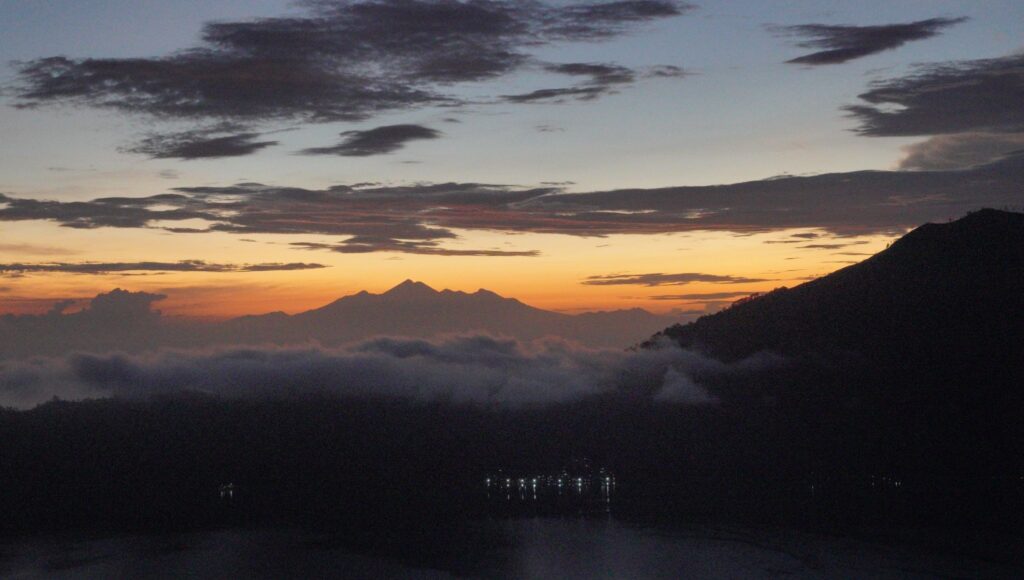
The dry season (April to October) offers the clearest skies and the most reliable summit views. Dawn light in these months tends to be crisp and vivid, and cloud cover at the caldera is minimal.
The wet season (November to March) brings the risk of heavy cloud cover at the summit, which can obscure the sunrise entirely. That said, some mornings in the wet season are unexpectedly clear, and the mountain’s lushness at this time has its own particular beauty. Flexibility and local knowledge matter more in these months.
Whatever the season, checking conditions with your guide the evening before the trek is always worthwhile. Experienced local guides know the mountain’s patterns and can advise on whether a given morning is worth the pre-dawn effort.
What to Wear and What to Bring
The highland elevation means that temperatures at the summit can be genuinely cold — particularly before sunrise. Many first-time trekkers are caught off-guard by this, having packed only for Bali’s coastal warmth.
What to wear:
- Lightweight, moisture-wicking layers that you can add or remove
- A warm outer layer or windproof jacket for the summit
- Comfortable, sturdy walking shoes or trainers with grip — trail runners are ideal; sandals are not suitable
- Long trousers or leggings rather than shorts, for warmth and protection on the volcanic terrain
What to bring:
- A reliable headlamp with fresh batteries
- At least 1.5 litres of water per person
- A small snack for the summit wait
- A light daypack to keep your hands free
- A camera or a fully charged phone — the summit light is extraordinary
- Cash for any refreshments at the top or tips for your guide
- Sunscreen and sunglasses for the descent, when the sun will be fully up
Why Stay in Kintamani the Night Before?
For many travelers, the logistics of Mount Batur sunrise trekking are what ultimately shape the quality of the experience. The pre-dawn start time is non-negotiable — but where you sleep the night before is a decision that has real consequences
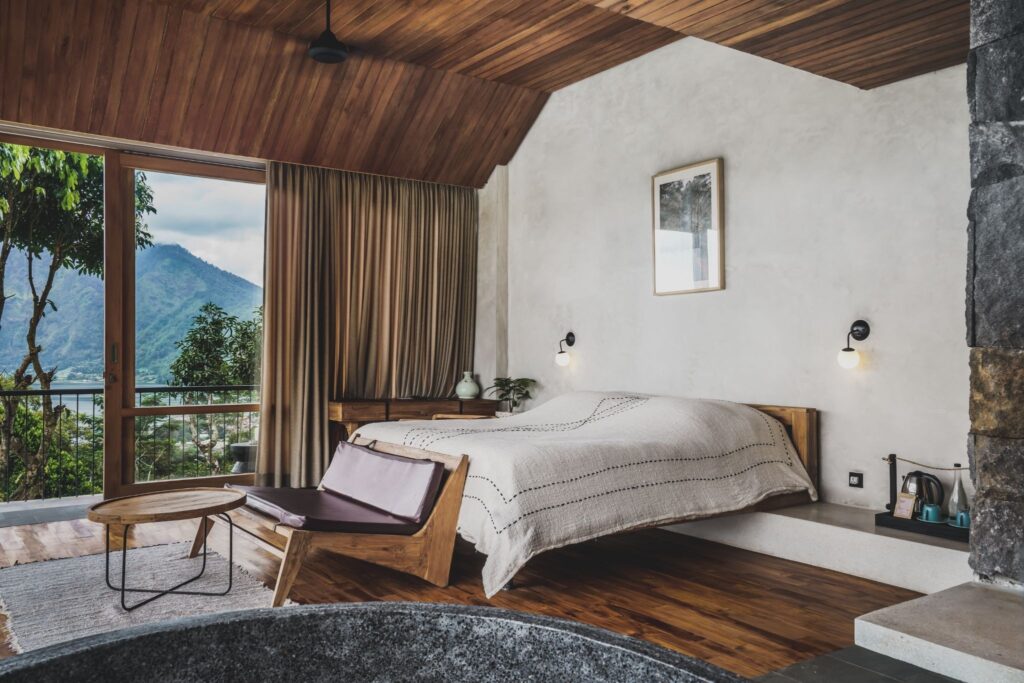
Staying in Kintamani, in the cool highlands above the caldera, changes the experience fundamentally. You wake already in the mountain’s world. The air is highland air. The temperature is that of elevation, not the coast. The drive to the trailhead is short, calm, and unhurried.
There is also something to be said for the experience of watching the sun set over Mount Batur the evening before you climb it — for sitting in the quiet of the Kintamani highlands with the volcano in view, knowing that in a few hours you will be standing on its rim. That quality of anticipation, of being genuinely present in a place before an experience, is rare.
Desa Oculus, set in the highlands of Kintamani with sweeping views of Mount Batur and the surrounding caldera landscape, offers exactly this kind of proximity without sacrificing comfort. Guests can rest well, sleep at altitude, and begin the trek day already grounded in the environment — rather than arriving at the mountain bleary-eyed after a long drive from the south.
After the trek, returning to a calm, scenic stay in the highlands to rest, eat, and absorb what you have just experienced is a very different proposition to an hours-long journey back to a crowded resort corridor.
Planning Your Mount Batur Sunrise Trek
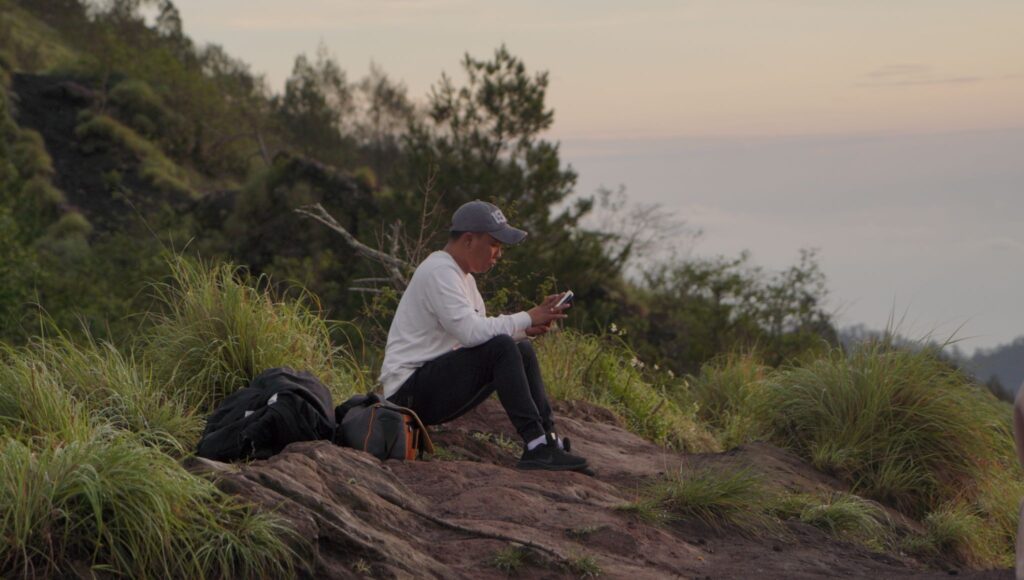
A few practical notes for those finalizing their plans:
Guides are essential. Independent trekking on Mount Batur is generally not recommended, and in many cases not permitted. Local guides know the trail conditions, manage the timing well, and add meaningful context to what you are seeing.
Book ahead. Sunrise trekking on Mount Batur is genuinely popular, and guide availability — particularly in the dry season — can be limited. Arranging your trek before arrival is advisable.
The experience takes a full day. Between preparation, the trek itself, and recovery afterward, plan for the day of your Batur sunrise to be centered entirely on this experience. It rewards that kind of attention.Respect the mountain. Gunung Batur is a sacred site as well as a geological landmark. Following guide instructions, staying on marked paths, and behaving thoughtfully at the summit are all part of trekking responsibly.
A Final Word
Mount Batur sunrise trekking asks something of you — a willingness to wake before the world, to move in the dark, to trust a guide and a mountain you have never climbed. What it offers in return is a view that most visitors to Bali will never see.
The crater at dawn. The lake far below. The slow brightening of a landscape that existed long before tourism, long before hotels, long before the guidebooks. A reminder that Bali’s most enduring experiences are not the ones that are arranged for you — but the ones you arrive at yourself, on foot, in the dark, in time for the light.If you are considering making Kintamani your base for this experience, Desa Oculus welcomes guests seeking to connect with the highland landscape of Mount Batur in a way that is unhurried, immersive, and genuinely memorable. Reach out to the team to plan your