Mount Batur Sunrise Trekking: What to Know Before You Go
Mount Batur sunrise trekking is one of those Bali experiences that sounds simple on paper: wake up early, climb a volcano, and watch the sunrise.
In reality, there are several decisions that can change the experience considerably.
Where should you stay the night before? How early do you really need to wake up? Is the trek difficult for beginners? What happens if the weather changes? And is trekking actually the right way for you to experience Mount Batur?
If you are considering a Mount Batur sunrise trek, these are the practical things worth knowing before setting your alarm.
1. The Experience Starts Long Before the Trail
The first thing to understand about Mount Batur sunrise trekking is that the hike does not really begin when you start walking.
It begins with where you sleep.
Because hikers need to reach the upper part of Mount Batur before sunrise, the ascent usually starts in the early hours of the morning.
Travelers staying elsewhere in Bali may therefore need to leave their hotel well before the trek itself begins.
If you stay in Kintamani, the morning works differently.
Instead of spending the first hours of the experience driving through Bali in the middle of the night, you wake up already within the Mount Batur area.
That difference may sound small, but when the alarm is going off before 4 AM, proximity becomes part of the experience.
2. Expect an Early Start, Not Just an Early Sunrise
Most Mount Batur sunrise treks begin walking before dawn.
The exact schedule changes depending on your route, guide, pace, and sunrise time, but hikers commonly begin ascending around 3:30 to 4:00 AM.
The reason is straightforward: Mount Batur rises approximately 1,717 metres above sea level, and most standard routes require around one and a half to two and a half hours to reach the upper mountain.
You will therefore spend a significant part of the climb in darkness.
A headlamp or flashlight is essential, and your local guide will normally control the pace.
The darkness is also part of what makes the experience distinctive.
You initially see very little beyond the trail immediately in front of you. The landscape only gradually becomes visible as you approach sunrise.
3. Mount Batur Is Accessible, But It Is Still a Real Hike
Mount Batur is often described as suitable for beginners.
That is generally true, but it can create the impression that the climb requires little effort.
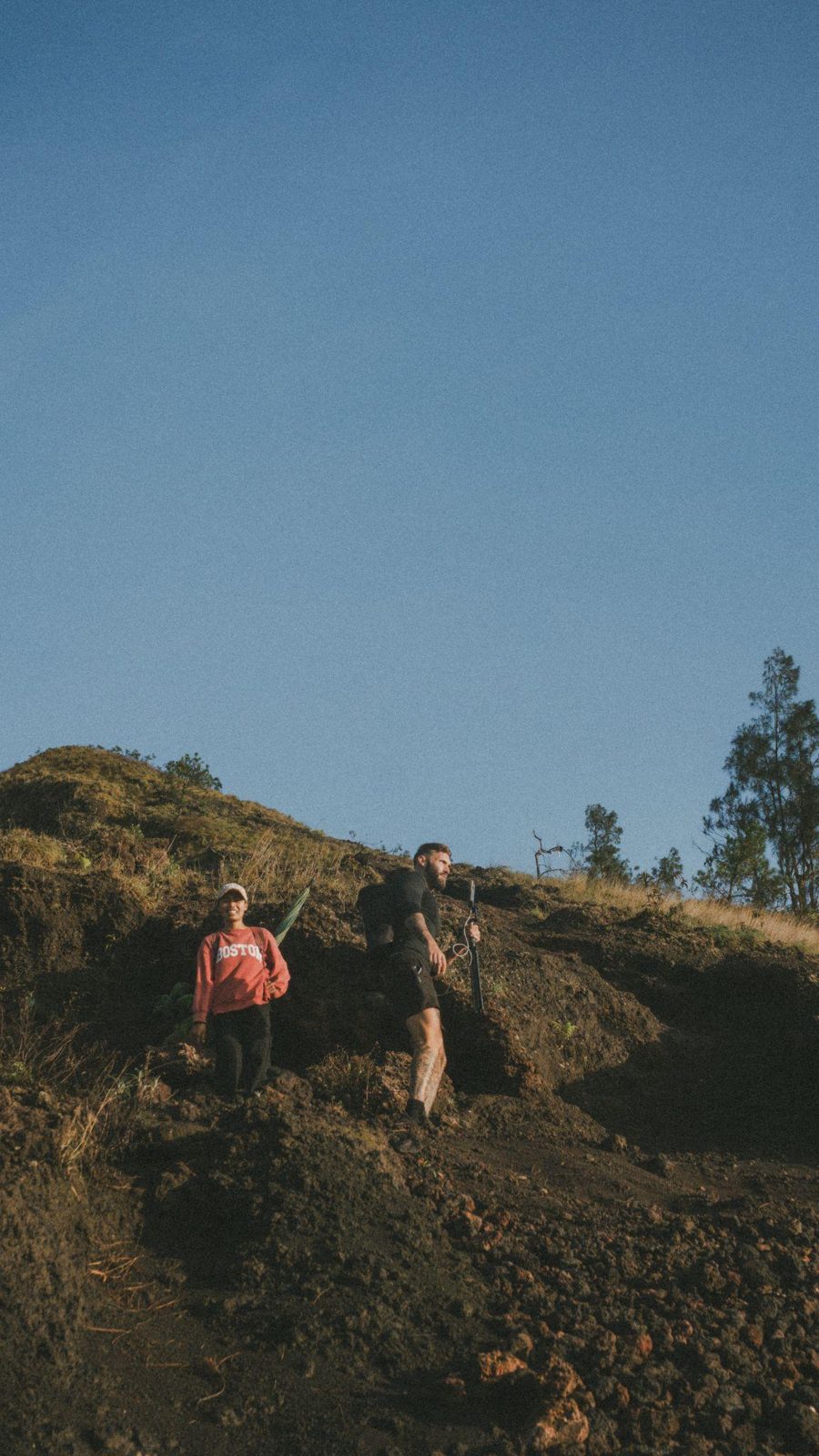
The trek is still a continuous uphill walk over volcanic terrain.
Some sections are relatively gentle. Others become noticeably steeper as you approach the top.
Loose rock, gravel, and volcanic sand can also make footing less predictable.
For most travelers with reasonable fitness, the climb is manageable.
You do not need technical climbing skills, ropes, or specialist mountaineering equipment.
However, it helps if you are comfortable walking uphill for a sustained period.
And interestingly, many hikers find the descent more challenging than the ascent.
Walking downhill over loose volcanic material can place more pressure on the knees and ankles.
4. Sunrise Is the Goal, But the Landscape Is the Real Experience
It is easy to think of the trek simply as a sunrise activity.
But Mount Batur’s wider landscape is what makes the morning particularly interesting.
The mountain forms part of the Batur UNESCO Global Geopark, a volcanic landscape shaped by major eruptions and a double-caldera system.
Lake Batur lies within the wider caldera, surrounded by volcanic slopes, villages, geothermal areas, and agricultural land.
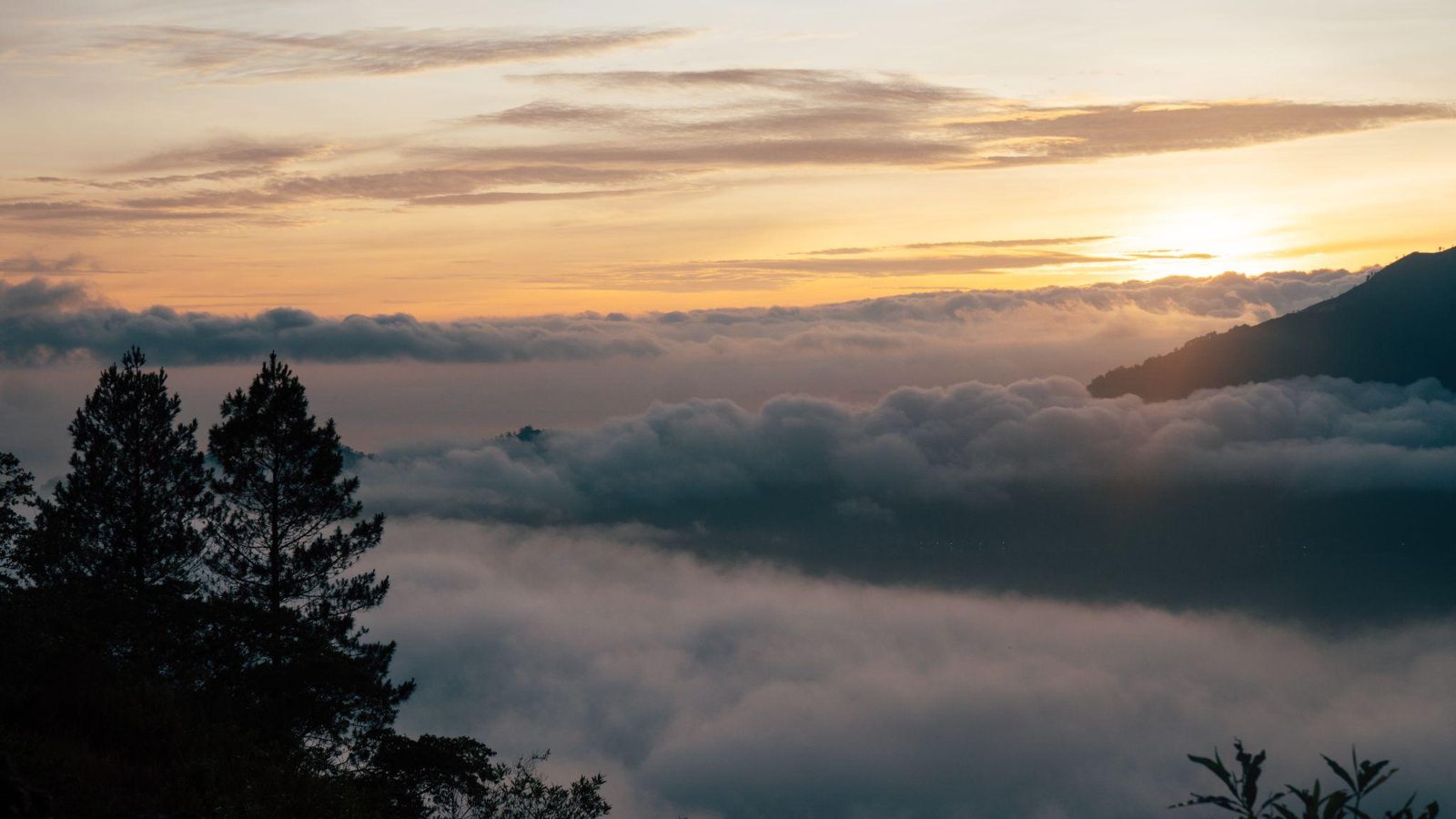
As daylight begins to appear, those geographical features gradually become visible.
On a clear morning, views can extend across Lake Batur and the surrounding caldera toward Mount Abang and Mount Agung.
The transition from darkness to daylight is therefore almost as important as the sunrise itself.
5. Do Not Expect Perfect Sunrise Conditions Every Time
Sunrise tours are scheduled around sunrise.
They cannot guarantee the weather.
Kintamani is a highland environment where clouds, fog, wind, and rain can change conditions quickly.
Even during Bali’s generally drier months, there are mornings when cloud cover limits visibility.
The best approach is to treat sunrise as part of the experience rather than the only reason for doing it.
You are still climbing an active volcanic landscape before dawn and experiencing one of Bali’s most distinctive geological areas.
Checking the forecast the evening before is sensible, but mountain weather is never completely predictable.
6. Choosing the Right Night Before Matters More Than People Expect
Travelers often focus on shoes, jackets, and fitness when planning Mount Batur.
Sleep deserves just as much attention.
If your hotel is far from Kintamani, your alarm may need to go off around midnight or shortly afterward to allow enough time for the drive.
That means you could begin the hike already tired.
Staying in Kintamani allows you to remove a large part of that pre-dawn journey.
You can spend the evening near Mount Batur, sleep closer to the starting area, and begin the morning within the highlands.
For a sunrise activity, this is one of the most practical decisions you can make.
7. What Should You Wear?
Do not dress as if you are spending the morning at the beach.
Kintamani is cooler than many coastal areas of Bali, particularly before sunrise.
A simple layering system works well.
Start with a comfortable shirt or activewear layer, add a jacket for the colder sections, and wear long trousers or leggings that allow you to move comfortably.
Closed shoes with good grip are important.
Trail shoes or sports shoes are generally suitable for most recreational hikers.
Avoid sandals and flip-flops.
By the time you descend, temperatures will usually feel considerably warmer, which is why removable layers are useful.
8. Keep Your Backpack Simple
You do not need to carry much.
Water, a warm layer, sunscreen, a fully charged phone or camera, and a few personal essentials are usually enough.
A small backpack is preferable to carrying things in your hands.
Some guided experiences provide a flashlight, drinking water, breakfast, or other equipment.
Check what is included before packing so you do not carry unnecessary items up the mountain.
9. Breakfast at the Summit Is Part of the Experience
Many Mount Batur guides prepare a simple breakfast once hikers reach the upper mountain.
Depending on your package, this may include eggs, bread, fruit, hot drinks, or other simple items.
Mount Batur’s geothermal activity has also created one of the trek’s more unusual traditions: some guides use naturally heated volcanic steam to prepare parts of breakfast.
It is a simple moment, but after walking uphill in darkness, eating something warm while waiting for the morning light becomes part of the memory of the trek.
Always check whether breakfast is included in your particular booking.
10. Trekking and the Jeep Tour Are Two Different Mount Batur Experiences
Travelers researching Mount Batur sunrise trekking frequently come across another option: the Mount Batur jeep tour.
They should not really be treated as interchangeable experiences.
The trek is about physically climbing the mountain.
You walk through the dark, gradually gain elevation, and reach the upper mountain on foot.
The sense of achievement is part of the experience.
A jeep tour focuses more on exploring the wider volcanic landscape.
A 4WD can take visitors toward lower sunrise viewpoints and volcanic areas such as Black Lava without requiring the same level of physical effort.
If your goal is to say, “I climbed Mount Batur,” trekking is the more appropriate choice.
If your priority is volcanic scenery, photography, and easier access, the jeep experience may suit you better.
11. What Happens After Sunrise?
The morning does not immediately end once the sun appears.
Most groups spend some time around the summit or crater area before beginning their descent.
By this point, the landscape you climbed through in complete darkness is finally visible.
The return journey therefore feels completely different from the ascent.
You can see the volcanic surface, surrounding slopes, farmland, and Lake Batur below.
Most hikers eventually return to the starting area later in the morning.
From there, you have several options.
Some travelers continue directly to another destination.
Others visit a natural hot spring, explore more of Kintamani, have breakfast or lunch, or simply return to their hotel and rest.
12. Consider Making Mount Batur Part of a Kintamani Stay
Mount Batur is often treated as a half-day excursion from another part of Bali.
But there is an alternative.
Stay in Kintamani and allow the trek to become part of a larger highland experience.
You can arrive the day before, see the caldera in daylight, sleep closer to the mountain, complete the sunrise trek, and spend the remainder of the day around Lake Batur and the surrounding villages.
This removes some of the rushed feeling that comes with driving into Kintamani purely for the hike and immediately leaving afterward.
Stay Near Mount Batur at Desa Oculus
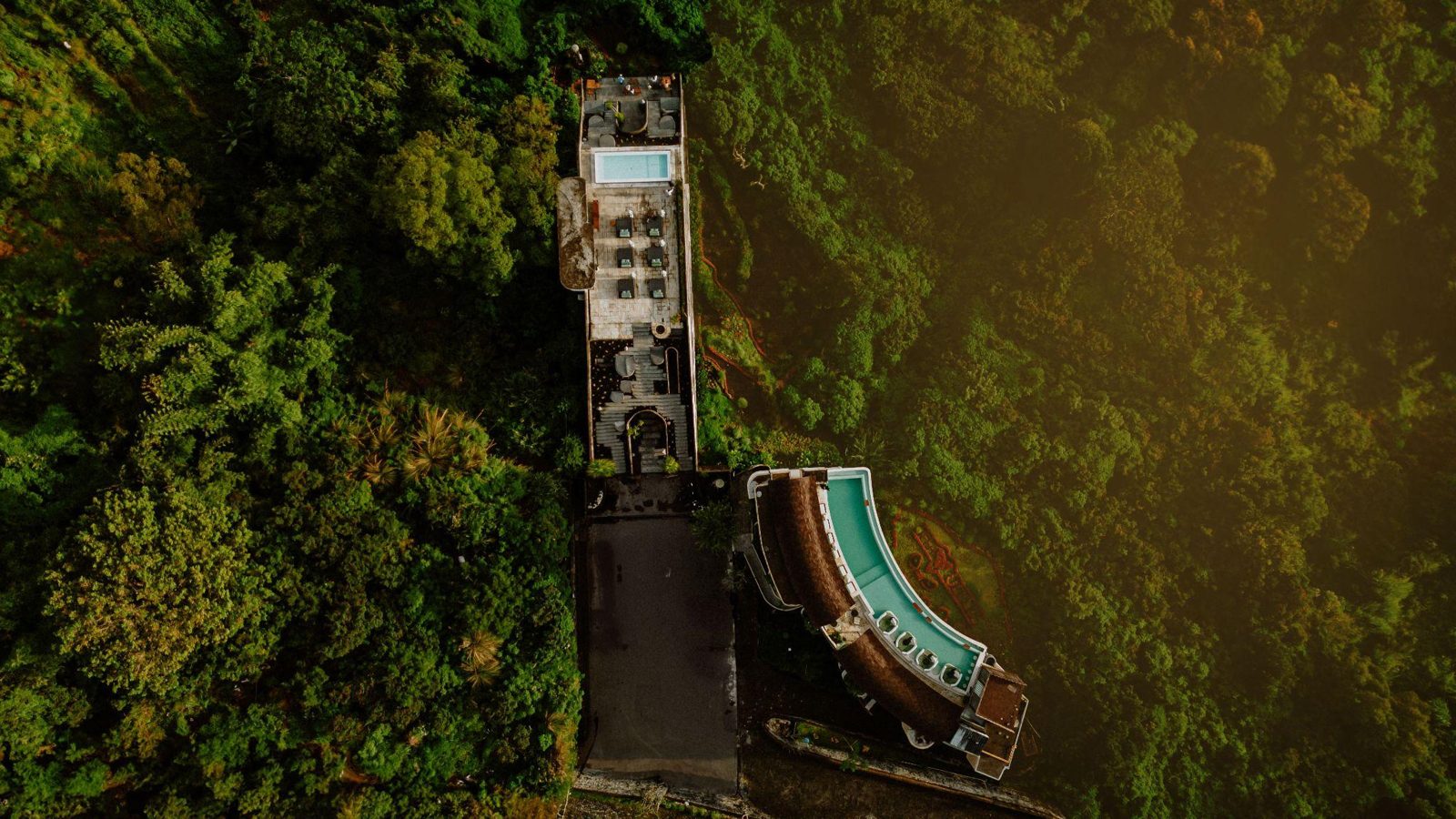
Located in Kedisan, Kintamani, Desa Oculus offers a base within the wider Mount Batur and Lake Batur landscape.
Staying locally means you can prepare for the trek from Kintamani rather than beginning your morning with a long drive from another area of Bali.
After the hike, you can return to the hotel, have breakfast, rest, enjoy the surrounding caldera views, or recover with time at Danu Spa.
It also allows you to spend more time discovering Kintamani beyond the summit itself.
Planning to Trek Mount Batur? You Can Arrange It Through Desa Oculus
Guests staying at Desa Oculus can also arrange a Mount Batur Hike directly through the hotel as one of its available activities.
The experience can include a local trekking guide, transportation, sunrise breakfast, mineral water, and flashlight, subject to the latest package inclusions and availability.
This means you can organize both your stay and your sunrise experience from one place rather than coordinating several providers separately.
Speak with the Desa Oculus team before or during your stay to confirm the latest departure time, itinerary, inclusions, price, and availability.
Before You Go: Five Things Worth Remembering
First, get enough sleep. A short night makes a moderate hike feel considerably harder.
Second, bring a layer for the summit. Kintamani before sunrise feels very different from Bali’s beaches during the afternoon.
Third, wear shoes with grip. Loose volcanic terrain matters more than having dedicated hiking equipment.
Fourth, do not build the entire experience around a guaranteed clear sunrise. Weather will always have the final say.
And finally, consider staying in Kintamani rather than treating Mount Batur as somewhere you need to reach in the middle of the night.
The trek itself may only occupy a few hours.
Being in the landscape before and after the climb can make the overall experience much richer.
Frequently Asked Questions
What time should I start Mount Batur sunrise trekking?
Most hikes begin around 3:30 to 4:00 AM, although exact timing depends on your route, guide, pace, and the season’s sunrise time.
How long does it take to reach the top?
Most recreational hikers need approximately one and a half to two and a half hours for the ascent.
Is Mount Batur trekking suitable for beginners?
Yes, many first-time hikers complete Mount Batur. However, you should still expect a sustained uphill climb, steep sections, and uneven volcanic terrain.
Do I need a guide?
Using a local guide is strongly recommended. Guides understand the route, current conditions, timing, and local environment.
Is Mount Batur trekking difficult?
The hike is generally considered moderate rather than technically difficult. Fitness level, weather, pace, and trail conditions all influence how challenging it feels.
What shoes should I wear?
Closed sports shoes, trail runners, or hiking shoes with reasonable grip are best.
Is it cold on Mount Batur?
Before sunrise, yes. Temperatures in the Kintamani highlands can feel significantly cooler than Bali’s coastal areas, particularly when standing still at the summit.
What happens if it is cloudy?
The trek can still operate, but clouds or fog may obstruct sunrise views. Weather conditions should always be checked with your guide.
Is the Mount Batur jeep tour easier than trekking?
Yes. A jeep tour generally requires considerably less physical effort because most of the journey is completed by 4WD rather than on foot.
Should I stay in Kintamani before climbing Mount Batur?
It is not required, but it can make the experience easier by reducing the amount of driving required before the pre-dawn trek.
Can I book Mount Batur trekking through Desa Oculus?
Yes. Guests can arrange the Mount Batur Hike through Desa Oculus as one of the property’s available activities. Confirm the latest inclusions, schedule, price, and availability directly with the team.