

Celebrating Love Above the Clouds: A Wedding Experience at Desa Oculus
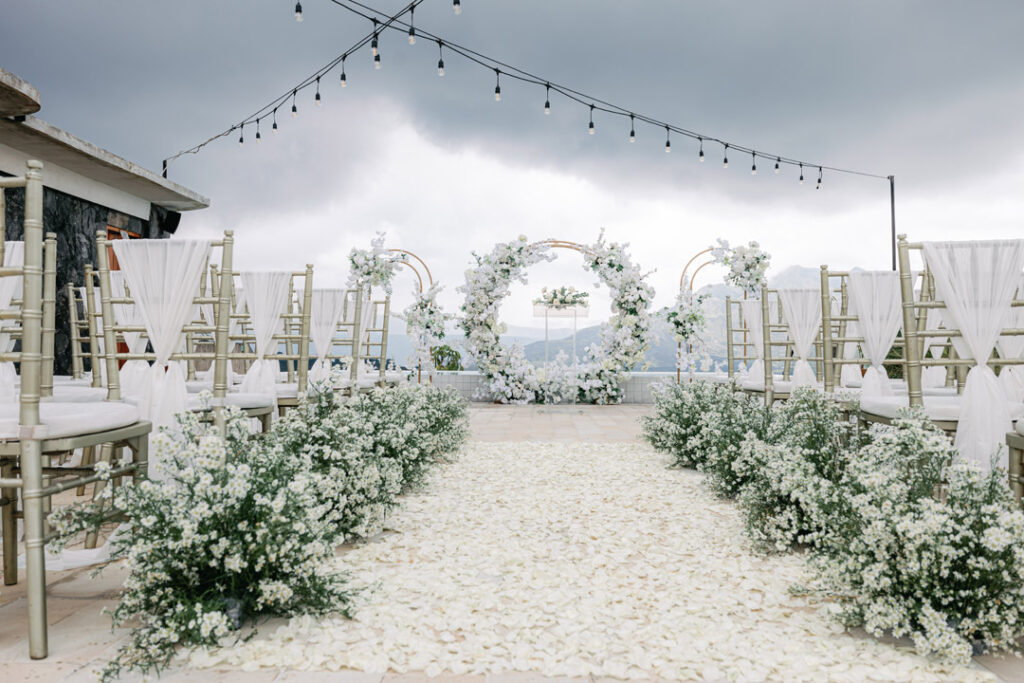
A wedding is more than a ceremony—it is a sacred moment that marks the beginning of a shared journey. At Desa Oculus, this celebration of love is presented in a setting unlike any other, where nature, atmosphere, and intention come together in harmony. Located in the highlands of Kintamani, Desa Oculus offers a wedding experience that feels calm, meaningful, and deeply memorable. As part of the distinguished Kintamani Hotels, Desa Oculus stands out by offering a wedding venue that places nature at the heart of the celebration. Ruang Langit: A Wedding Venue Above Kintamani Ruang Langit is the signature wedding venue at Desa Oculus, designed to host intimate and refined celebrations in an extraordinary setting. Positioned high within the Kintamani landscape, Ruang Langit offers 360-degree views of Mount Batur and Lake Batur, creating a breathtaking natural backdrop in every direction. With uninterrupted Batur Mountain View Kintamani, the venue is surrounded by open sky, cool mountain air, and the quiet beauty of the highlands. This panoramic perspective is a rare offering among Hotel Kintamani Bali destinations, making each wedding feel truly exclusive. A Mountain Wedding Experience Unlike Any Other Weddings at Desa Oculus are far from conventional. Instead of enclosed ballrooms or urban venues, couples and guests experience a celebration set within the calm rhythm of the mountains. The cool climate, natural light, and expansive landscape create a slower, more intimate atmosphere—allowing every moment to be fully present and deeply felt. A wedding in Kintamani becomes not just an event, but a shared experience shaped by nature. This is what makes Desa Oculus unique: the ability to offer a mountain wedding experience that feels personal, authentic, and unrepeatable. What Makes Wedding at Desa Oculus Unique What truly sets Desa Oculus apart is its ability to provide a wedding venue with both mountain and lake views in one seamless panorama. As one of the most thoughtfully designed Kintamani Hotels, Desa Oculus brings together venue, accommodation, and experience in a single destination. Ruang Langit is adaptable to different wedding concepts—from intimate gatherings to elegantcelebrations—while always preserving the serenity and openness of the surrounding landscape. A Complete Experience for Couples and Guests A wedding at Desa Oculus extends beyond the ceremony itself. As a Hotel Kintamani Bali, the property offers comfortable accommodations for couples and guests, allowing everyone to fully enjoy the destination without leaving the area. Culinary moments are equally memorable, with access to a refined Kintamani Restaurant and welcoming Cafe di Kintamani, where guests can enjoy meals in a relaxed mountain atmosphere. For moments of rest and preparation, the Kintamani Spa provides treatments inspired by Balinese traditions, offering balance and relaxation before or after the wedding day. A Meaningful Way to Celebrate Love At Desa Oculus, weddings are not defined by extravagance, but by atmosphere, connection, and memory. Love is celebrated in a setting where mountains, lake, and sky become silent witnesses to a lifelong promise. For couples seeking a unique wedding venue in Kintamani—with 360-degree views of Mount Batur and Lake Batur, a calm mountain setting, and a truly distinctive experience—Desa Oculus offers a place to celebrate love above the clouds, where every moment feels timeless. Plan your wedding at Desa Oculus. Home Desa Oculus
Excursion Experiences from Desa Oculus: Exploring Kintamani Beyond the Stay
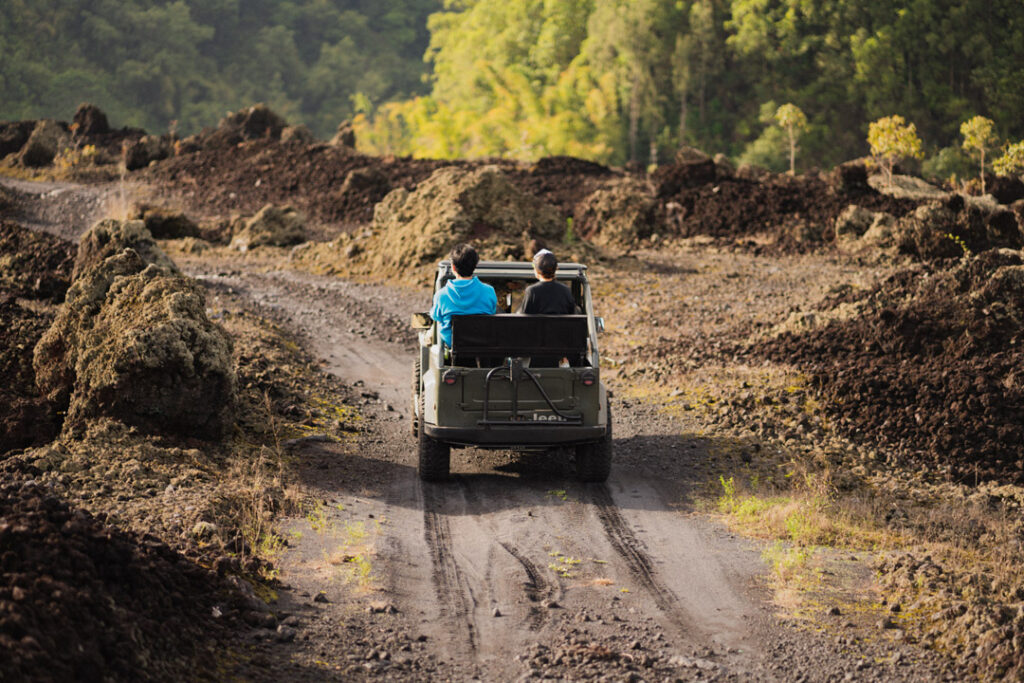
Staying in Kintamani is not only about enjoying the scenery from a distance—it is also about stepping into the landscape and experiencing it firsthand. At Desa Oculus, the journey extends beyond accommodation. As one of the distinctive Kintamani Hotels, Desa Oculus invites guests to explore the highlands through curated excursion experiences that connect nature, adventure, and comfort. Set within the dramatic landscape of Batur Mountain View Kintamani, Desa Oculus serves as both a place to stay and a starting point for meaningful exploration. Jeep Tour to the Black Lava of Mount Batur One of the most memorable adventures available to guests is the Jeep Tour to the black lava fields surrounding Mount Batur. This experience allows guests to traverse volcanic terrain shaped by past eruptions, offering a closer look at Kintamani’s raw and powerful landscape. The Jeep Tour can be conveniently booked directly from Desa Oculus, making it easy for guests staying at this Hotel Kintamani Bali to transition from comfort to adventure. Guided routes ensure a safe yet immersive experience, revealing perspectives of Kintamani that cannot be reached on foot. Sunrise Hiking at Mount Batur For guests seeking a more active encounter with nature, Batur Hiking offers a rewarding experience. The sunrise hike takes guests along volcanic trails toward panoramic viewpoints, where the first light of day slowly illuminates the surrounding mountains and lake. Starting the day above the clouds, with fresh mountain air and expansive views, creates a moment that feels both energizing and reflective. From Desa Oculus, guests can easily arrange this experience and return to the calm atmosphere of the property afterward. Sunrise and Sunset Picnic in the Black Lava Landscape For a gentler yet equally memorable excursion, Desa Oculus offers sunrise and sunset picnic experiences set within the black lava landscape. These moments are designed for guests who wish to enjoy Kintamani at a slower pace, surrounded by open space and quiet beauty. Picnic experiences are complemented with curated food prepared by Kintamani Restaurant and Cafe di Kintamani at Desa Oculus, allowing guests to enjoy quality dining even while exploring nature. Whether at sunrise or sunset, the combination of volcanic scenery and thoughtfully prepared meals creates a deeply personal experience. Returning to Comfort at Desa Oculus After a day of adventure, guests return to the comfort of Desa Oculus, where rest and relaxation await. As part of a complete Hotel Kintamani Bali experience, guests can unwind in serene surroundings or enjoy treatments at the Kintamani Spa, inspired by Balinese traditions and designed to restore balance after physical activity. This seamless transition—from exploration to relaxation—is what sets Desa Oculus apart among Kintamani Hotels. A Destination That Connects Stay and Adventure At Desa Oculus, excursions are not separate add-ons, but a natural extension of the stay. From Jeep Tours and Batur hiking to sunrise and sunset picnics in the black lava fields, every experience is thoughtfully curated to reflect the spirit of Kintamani. For travelers seeking a Hotel Kintamani Bali that offers both comfort and meaningful adventure within the Batur Mountain View Kintamani landscape, Desa Oculus provides a complete journey—where exploration, dining, wellness, and rest come together in one destination. Explore Kintamani beyond the stay with Desa Oculus.
Power Adapter Guide for Bali: What You Need to Know

When packing for Bali, most travelers think of swimsuits, sunscreen, and sandals. But there’s one small item that can make or break your trip: the right power adapter. If you don’t bring it, you might end up with uncharged devices and unnecessary stress. Here’s a simple guide to help you prepare. Electricity in Bali Bali uses the European standard electricity system: If you’re traveling from Europe, your plugs may already fit. But if you’re coming from the US, UK, Japan, or other regions, you’ll definitely need an adapter. Do You Need a Voltage Converter? Most modern gadgets like smartphones, laptops, and cameras are dual-voltage (100–240V). This means you only need an adapter, not a voltage converter. To check, look at your charger, it should say something like “Input: 100-240V, 50/60Hz.” However, if you’re bringing older electronics or styling tools like hair dryers that only support 120V, you’ll need a voltage converter. Without it, your device could be damaged. Best Adapters for Bali Tip: Always choose a quality adapter with built-in safety features, don’t risk cheap ones that overheat. Practical Travel Tips Final Takeaway For Bali, you’ll need: Pack the right adapter, and you’ll stay fully charged to capture sunsets, navigate the island, and share your Bali adventures without a hitch.
Valentine’s Day in Kintamani, Bali: Romantic Escapes & Unique Experiences
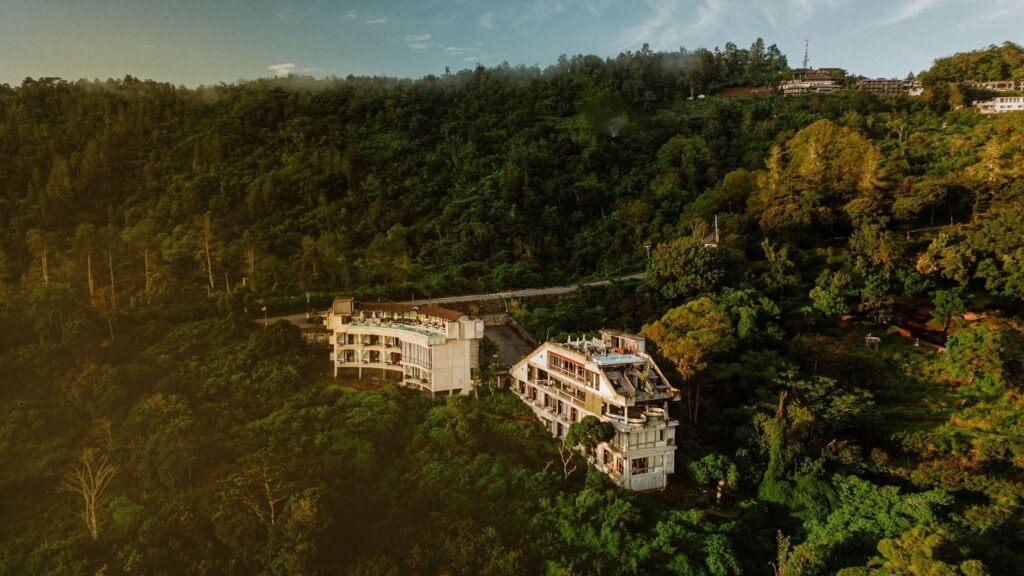
Valentine’s Day sparks a universal wish for unforgettable moments. Couples everywhere search for a place where love can be celebrated in ways that feel both intimate and extraordinary. While Bali is often linked with sun-kissed beaches, the island’s mountain region of Kintamani offers a refreshing alternative, a romantic escape framed by volcanic majesty, shimmering lake waters, and cool mountain air. This unique landscape sets the stage for a Valentine’s celebration unlike any other. Far from the crowds of Bali’s coastal resorts, Kintamani promises serenity, adventure, and romance wrapped in nature’s embrace. And when the mountain journey is done, your love story can continue at Desa Oculus, a sanctuary that connects romance with culture and timeless Balinese traditions. Embrace the Majestic Views: Romantic Dinners with a Volcanic Backdrop Dining in Kintamani is more than just a meal, it’s an experience. On Valentine’s Day, picture yourself and your partner enjoying a candlelit dinner while Mount Batur and Lake Batur form your backdrop. Beyond dining, Kintamani invites couples to bond over thrilling adventures: Kintamani is also a haven for relaxation: To make the celebration unforgettable, Kintamani offers: When the romance of Kintamani’s mountains fills your heart, extend your journey to Desa Oculus, where love and culture intertwine. Here, couples can wander through spaces inspired by Geringsing patterns, explore artisanal craftsmanship, and connect with the living heritage of the Bali Aga. Unlike the fleeting beauty of sunsets and treks, Oculus offers something deeper, a reminder that love, like tradition, is about continuity and connection. Valentine’s here is not only about candlelight and views, but also about immersing yourselves in a sanctuary where nature, spirituality, and human bonds are celebrated. Holding hands as you step through Oculus is like taking love beyond romance, into meaning. Valentine’s Day in Kintamani is a celebration beyond clichés: dramatic volcanic backdrops, sunrise treks, hot springs, and starlit skies. Every moment here feels designed for romance. And just when you think the journey is complete, Desa Oculus opens a new chapter, where love is not only celebrated but also honored through Bali’s cultural soul. Together, Kintamani and Oculus create a Valentine’s experience that is at once romantic, adventurous, and deeply meaningful.
Celebrate Bali’s Nyepi Festival 2026: A Guide to the Day of Silence
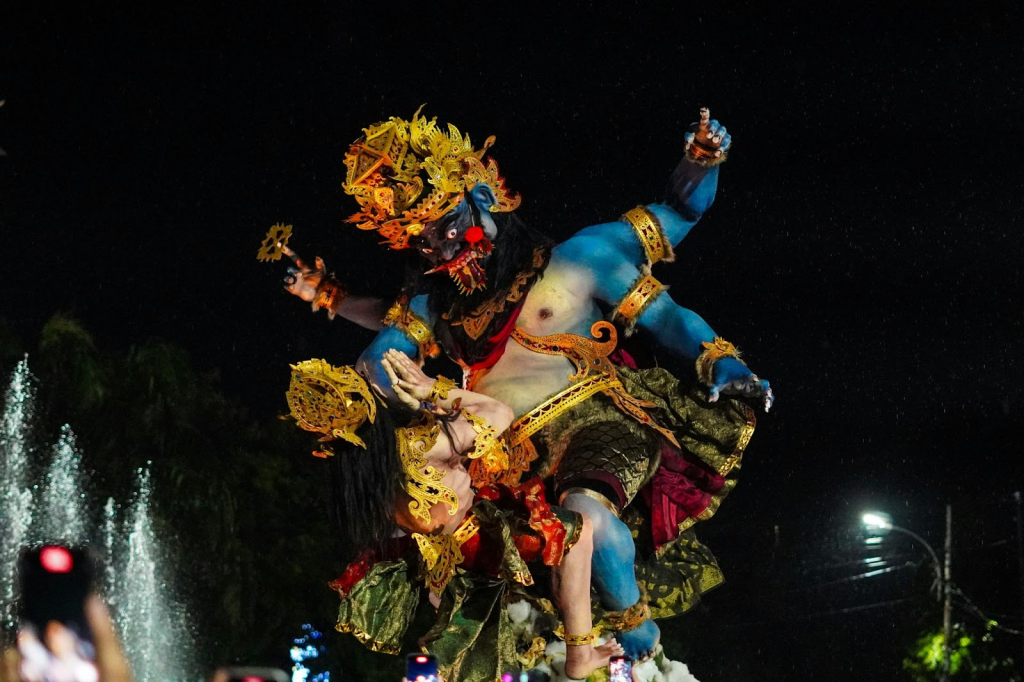
The island of Bali, renowned for its vibrant culture and spiritual traditions, observes a unique and profound holiday: Nyepi, the Balinese Day of Silence. In 2026, this significant event offers a rare opportunity for visitors to experience Bali in an entirely different light, a stark contrast to its usual bustling energy. Nyepi is not merely a public holiday; it’s a sacred day of introspection, self-reflection, and spiritual cleansing for the Balinese Hindu community. Understanding its principles and observing its traditions is key to appreciating this deeply meaningful cultural phenomenon. This article serves as a comprehensive guide for those wishing to understand and respectfully experience Nyepi in 2026. From the preparations leading up to the day to the essence of the silence itself and its impact on travel, we will delve into the heart of this extraordinary Balinese observance. Prepare to discover a side of Bali that quiets the world to listen to its inner self. Understanding the Essence of Nyepi This section will introduce the core concepts and historical context of Nyepi, setting the stage for understanding its significance. What is Nyepi? Nyepi marks the Balinese New Year according to the Saka calendar. It is a day unlike any other, dedicated to silence, fasting, and deep meditation. The date of Nyepi aligns with the new moon, a celestial event seen as potent for spiritual renewal. This special day aims to purify the individual and the entire universe from negative influences. Balinese Hindu cosmology sees the world as needing balance. Nyepi helps reset this balance by creating a complete cessation of normal life. This purification makes the island appear empty, fooling evil spirits into thinking Bali is deserted, thus driving them away for the year ahead. It is a profound spiritual cleansing for everyone. The Four Pillars of Nyepi Observance On Nyepi, the Balinese people strictly follow four main rules, known as Catur Brata Penyepian. These pillars shape the unique experience of the Day of Silence. Observing these rules helps promote inner peace and universal harmony. Nyepi Eve: Ogoh-Ogoh Parades and Spiritual Cleansing This section focuses on the vibrant celebrations and preparations that occur the day before Nyepi. The Spectacle of Ogoh-Ogoh The night before Nyepi, Bali comes alive with the electrifying Ogoh-Ogoh parades. Communities create giant, often scary, effigies that represent Bhuta Kala, malevolent spirits and negative forces. These impressive figures are paraded through the streets with loud music and joyful shouts, making for an unforgettable sight. The symbolism of these Ogoh-Ogoh figures is powerful. At the end of the night, most of these effigies are burned in large bonfires. This burning is a symbolic act, meant to purify the environment and ward off any evil spirits from the island. It marks a dramatic end to the old year’s negativity. These parades are truly community-driven events. Local villages, called Banjar, spend weeks building their unique Ogoh-Ogoh figures, often competing for the most creative design. It brings everyone together, from children to elders, in a shared cultural expression. The energy is contagious and exciting. Melasti Ceremony: Purification by Water Typically, a few days before Nyepi, the beautiful Melasti ceremony takes place. This is a ritual purification where sacred temple objects are carried in colorful processions to the nearest ocean or natural spring. People dress in traditional white clothing, creating a stunning visual. The ocean holds immense spiritual importance in Balinese Hindu beliefs. Cleansing sacred objects and oneself in these waters symbolizes washing away sins and impurities. It is believed that the ocean’s power can purify the mind, body, and soul. This ritual is deeply revered by the Balinese. Melasti serves as a vital precursor to Nyepi. It sets a pure and sacred tone for the upcoming Day of Silence. By cleansing themselves and their sacred items, the community prepares spiritually for the profound introspection that Nyepi demands. It is a clear reminder of their deep faith. Experiencing Nyepi: What to Expect on the Day of Silence This section will guide visitors on how to navigate and respectfully participate in the Nyepi experience. Bali Grinds to a Halt On the Day of Silence, Bali literally comes to a complete standstill. All public services, including transportation, shops, and restaurants, cease operations for 24 hours. The quietness is immediate and striking, a stark change from the island’s usual hustle. Everyone must remain indoors. Bali Ngurah Rai International Airport (DPS) closes entirely during Nyepi, without a single flight taking off or landing for the entire 24-hour period. If you have flight plans, be sure they do not fall on this day. No ferries or fast boats will operate either, so no inter-island travel is possible. Visitors are strongly advised to remain within their accommodations during Nyepi. Avoid any activities that would disrupt the profound silence, such as loud music or venturing outside. Respecting these rules shows appreciation for Balinese culture. It also keeps you safe, as traditional guards will ask you to return inside. Embracing the Silence and Introspection Nyepi offers a unique opportunity for quiet reflection. Instead of seeing it as a day of restriction, embrace the chance to disconnect from the busy world. Many visitors find the peaceful atmosphere deeply refreshing and calming. It’s a true digital detox. For visitors, practical activities can include reading that book you’ve been meaning to start, writing in a journal, or practicing meditation. You can simply enjoy the serene atmosphere from your accommodation, perhaps stargazing at night without any light pollution. The sounds of nature become very clear. Local etiquette demands strict silence and stillness. Even inside your hotel, keep noise to a minimum. Avoid unnecessary loud talking or music, especially if your room faces public areas. Your respect for the Balinese Day of Silence will be greatly appreciated. The island breathes as one. Accommodations and Nyepi Travelers should plan their accommodation carefully for Nyepi. Many hotels offer special Nyepi packages, which include meals and in-house activities. It is wise to book your stay well in advance, as hotels fill up quickly during this unique period.
What to Do When It Rains in Bali: Best Activities in Kintamani for Rainy Days
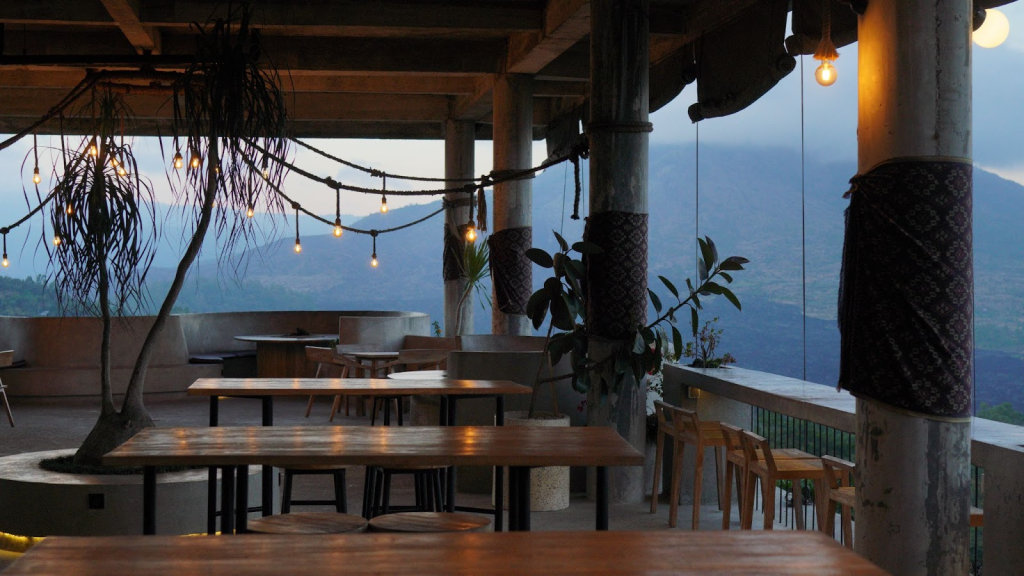
Bali’s charm often lies in its sunny beaches, but the island’s higher regions like Kintamani have a different kind of beauty, one that feels even more magical when rain falls. Instead of letting cloudy skies dampen your trip, rainy days in Kintamani can turn into moments of peace, reflection, and cultural discovery. Misty caldera views, cozy warungs serving steaming bowls of fish soup, and cultural treasures waiting indoors, all of these make Kintamani a wonderful place to explore when the weather shifts. Here are the best things to do in Kintamani on a rainy day, and how your journey can naturally flow into another cultural gem: Desa Oculus. Embrace the Serenity of Mount Batur’s Caldera When rain drizzles over Mount Batur, the landscape transforms into something dreamlike. Mist floats over Lake Batur, while the green hills look brighter than ever. Find a cozy spot indoors with large windows, sip on a hot tea or Balinese coffee, and simply take in the view. It’s a chance to pause and reflect on the island’s beauty in its purest form. Warm Up with Balinese Comfort Food Rainy weather calls for hearty, soul-warming meals. Kintamani is famous for its ikan mujair nyat-nyat, fresh lake fish simmered with spices. Pair it with hot rice and vegetables, and you’ll understand why food here feels like home. Whether in a lakeside restaurant or a humble warung, these meals connect you to local life. Learn at the Batur Geopark Museum If the rain is steady, head indoors to the Batur Geopark Museum. Here, you’ll discover the story of Bali’s volcanoes, the unique ecosystem, and the traditions of people who live around them. It’s a great way to spend a few hours, gaining insight into the island’s deep connection with nature. Explore Culture and Craft Even on rainy days, parts of Kintamani’s cultural villages remain alive. Many artisans work under covered spaces, weaving, carving, or painting. Watching them create is not just entertaining, it’s a window into how tradition continues to thrive in daily life. Pamper Yourself with a Balinese Massage Cool mountain rain outside, warm healing hands inside. A Balinese massage in Kintamani offers complete relaxation, especially after braving the misty weather. It’s the perfect way to recharge body and mind. From Kintamani to Desa Oculus: A Journey into Bali’s Cultural Soul After immersing yourself in Kintamani’s rainy-day charm, your journey doesn’t have to end there. If Kintamani is where you experience the island’s natural and spiritual calm, then Desa Oculus is where you step deeper into the heartbeat of Bali’s heritage. Located in the heart of Bali, Desa Oculus is more than just a destination, it is an ultimate one-stop cultural haven that celebrates the traditions of the Bali Aga, Bali’s oldest community. Just as rain in Kintamani slows you down to notice the details, Desa Oculus invites you to live and breathe those details through sacred spaces, bold architecture, and community-inspired design. Here, patterns inspired by Geringsing textiles blend with contemporary lines, creating a place that feels both timeless and modern. Every corner whispers of balance, heritage, and pride. Whether you’re wandering through artisan showcases, enjoying a mindful moment at Oclub’s daybeds, or simply soaking in the atmosphere, Desa Oculus is a continuation of Bali’s story, told not just through sights, but through experiences. Why Desa Oculus Completes the Experience Conclusion A rainy day in Kintamani isn’t a setback, it’s a chance to see Bali in a softer, more soulful way. From misty caldera views and steaming bowls of local dishes to museums, temples, and massages, you’ll discover layers of culture and comfort. And when the rain clears, extend your journey to Desa Oculus, where heritage, art, and community converge into one unforgettable experience. In the end, rain or shine, Bali always has a way of showing you its truest self
Tumpek Wayang: A Deep Dive into Bali’s Sacred Shadow Puppet Festival
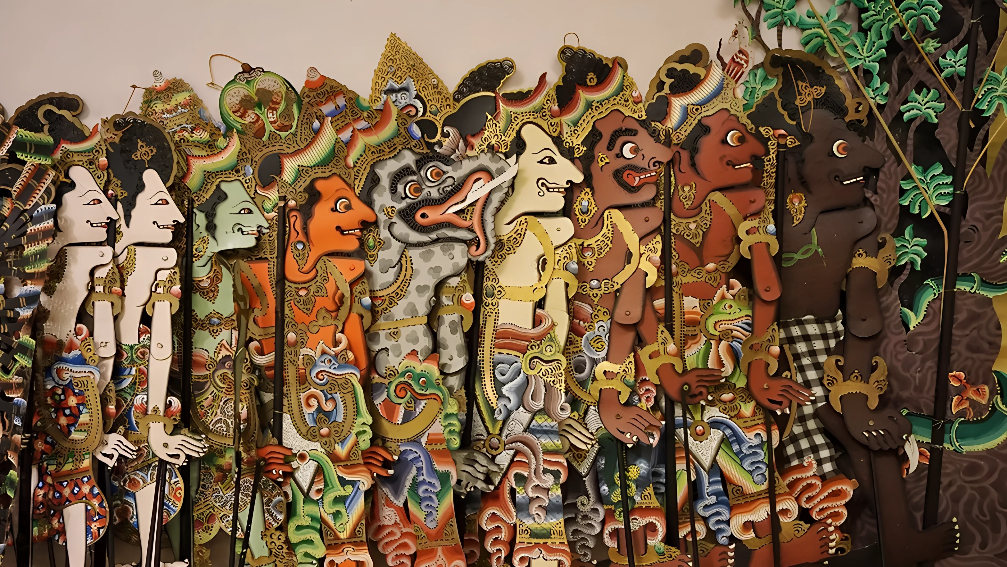
In 2025, Tumpek Wayang will fall on Saturday, 16 August 2025 — a sacred day when the island resonates with prayers, performances, and ancestral connection. Tumpek Wayang stands as a unique Balinese ceremony. It dedicates itself to wayang kulit, or shadow puppets, and the spiritual power they hold. This festival marks a special time in the Balinese Hindu calendar, connecting islanders with specific deities and their ancestors. It offers a truly remarkable visual show, full of deep spiritual meaning and great cultural value. Understanding the Essence of Tumpek Wayang Origins and Historical Significance The roots of Tumpek Wayang go back a long way in Balinese history. This special day evolved from ancient traditions of honoring art and spirit. It links directly to the rich wayang kulit tradition, which has been part of Balinese life for centuries. Early forms of these shadow plays helped shape the cultural fabric of Bali. The Role of Wayang Kulit in Balinese Culture Wayang kulit holds more than just entertainment value for Balinese people. These shadow puppets play a vital role in religious ceremonies. They also serve as tools for telling important stories and passing down cultural lessons. The making of each wayang kulit figure shows incredible skill and artistry. Craftspeople carefully carve and paint each one. Celestial Alignment and the Balinese Calendar Tumpek Wayang’s timing comes from the Balinese Pawukon calendar. This calendar sets 210-day cycles. Every 210 days, the Tumpek day falls on a Saturday, honoring the puppets. This system has deep spiritual meaning. Balinese people believe certain days hold special energy, making them ideal for specific offerings and prayers. The Sacred Rituals and Ceremonies Preparation and Purification Rites Days before Tumpek Wayang, people begin special preparations. This includes cleansing rituals for the puppets themselves. They also clean the space where the performances happen. Specific offerings and prayers are part of this purification process, making sure everything is ready for the blessings. The Wayang Kulit Performance: More Than Entertainment A wayang kulit show on Tumpek Wayang is no common performance. It often shows spiritual battles and teaches moral lessons. The dalang, or puppeteer, is key to the show. He, or sometimes she, has a deep spiritual bond with the puppets. The dalang chants and moves the figures, bringing ancient tales to life. Special Blessings and Offerings During Tumpek Wayang, people prepare many different offerings. These range from simple flowers to complex food arrangements. Each offering has a special meaning, a way to show respect and ask for blessings. People believe these blessings protect them and their families. An offering often includes rice, fruit, and colorful flowers, placed on a special mat. Symbolism and Spiritual Meanings The Shadow as a Metaphor The shadow in wayang kulit means more than just a shape. It stands for the unseen world, the spirit realm, and the hidden truths of life. The dance between light and shadow on the screen reflects the balance of good and evil, the seen and unseen. This play helps people understand the deeper parts of their world. Ancestral Reverence and Spirit Communication Tumpek Wayang acts as a bridge to honor and connect with ancestral spirits. Many Balinese believe these spirits can influence or even animate the puppets. The ceremony provides a chance for families to show respect to those who came before them. It helps keep family lines strong through time. Protection and Well-being The protective power of Tumpek Wayang is very important. People believe the ceremony helps ward off bad spirits. It also brings good fortune to everyone involved. The blessings received during this time are thought to keep individuals and their villages safe. This adds a sense of security for the whole community. Experiencing Tumpek Wayang: A Visitor’s Guide Finding a Wayang Kulit Performance Want to see an authentic Tumpek Wayang ceremony? Look for local temples, especially in cultural hubs like Ubud or Tabanan. Many villages hold these sacred events. Remember, these are not usually tourist shows but real religious rites. You can ask local guides or your hotel for current schedules. Etiquette and Respectful Observation When you attend a Tumpek Wayang ceremony, always show respect. Wear modest clothes, like a sarong and sash, which are often available for rent near temples. Stay quiet during prayers and rituals. Never walk in front of people who are praying. It’s also a good idea to ask before taking photos. Engaging with the Local Community Talking with local people can make your experience richer. They can share stories and give you a deeper look into the festival’s meaning. You might ask villagers or temple officials about the rituals. Always be polite and respectful in your questions. You’ll gain a greater appreciation for their way of life. The Enduring Legacy of Tumpek Wayang Preserving a Timeless Tradition Keeping wayang kulit and Tumpek Wayang alive faces challenges in today’s busy world. Younger generations sometimes turn to modern entertainment. However, many efforts aim to preserve these priceless traditions. Local groups and cultural schools teach the art of dalang to ensure it doesn’t fade. Tumpek Wayang in Contemporary Bali Today, Tumpek Wayang is still a strong part of Balinese life. Even as society changes, the festival holds its place. Some performances might blend new ideas with old stories, but the core rituals stay true. This shows how flexible and lasting Balinese culture remains. Conclusion Tumpek Wayang is more than just a festival; it’s a profound spiritual event. It truly shows the artistic, cultural, and spiritual depth of Bali. This sacred time highlights the unique role of wayang kulit within Balinese Hinduism. The enduring power of Tumpek Wayang helps connect people to their heritage. It also links them to the unseen, spiritual parts of their world.
Kintamani Bali: What This Volcanic Paradise is Truly Known For
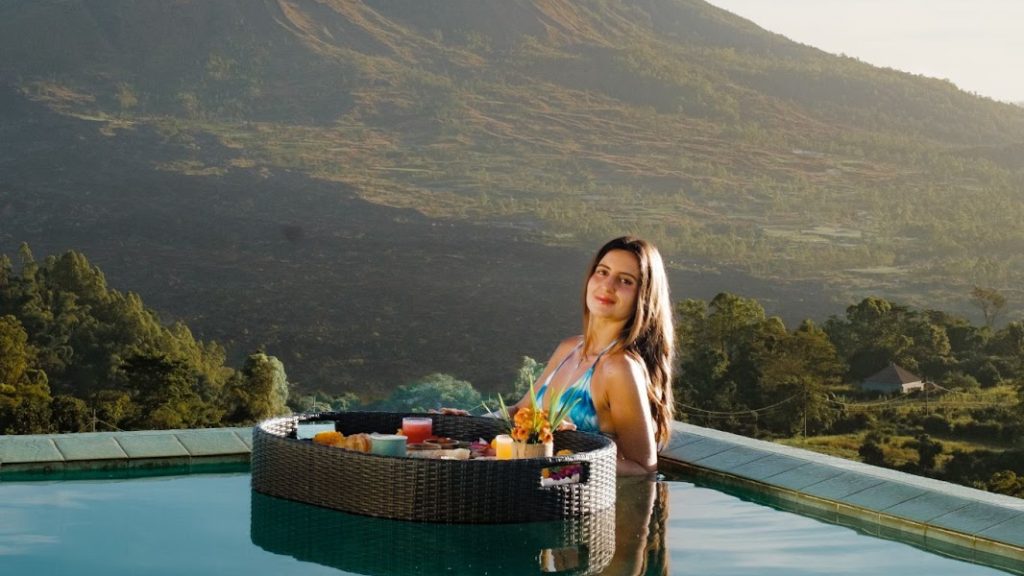
Kintamani, perched high in Bali’s central highlands, stands apart from the island’s sandy beaches. Its cool, crisp air feels like a refreshing change from the tropical coast. Here, dramatic volcanic peaks meet serene crater lakes, creating views you won’t forget. This area also holds a unique cultural identity, rooted deep in ancient traditions. Visitors come to Kintamani for more than just stunning scenery. They seek adventure on dormant volcanoes, a taste of ancient Balinese life, and quiet moments in nature. What makes this highland region so special? Let’s dive into the core of what Kintamani Bali is truly known for. Mount Batur: The Iconic Volcanic Heartbeat of Kintamani Mount Batur, a mighty yet dormant volcano, shapes the very soul of Kintamani. Its imposing presence defines the horizon, drawing eyes upwards. This is no ordinary mountain; it’s a geological wonder and the heart of this highland region. Sunrise Trekking Adventures Imagine climbing Mount Batur before dawn, guided by starlight. This sunrise trek is a must-do for many visitors to Bali. You start early, often around 3 AM, to reach the peak in time. As the sun peeks over the horizon, painting the sky with fiery colors, you’ll see views stretching across the island. The hike itself is rewarding, a bit challenging, but perfect for active travelers. Batur Caldera and Lake Batur Mount Batur sits within a massive caldera, a huge basin formed after ancient eruptions. Inside this caldera lies the tranquil Lake Batur, Bali’s largest crater lake. This vast natural bowl shows the sheer power of nature. Around the lake, local villages offer quiet charm. You can enjoy the calm waters, watch local fishermen, or simply soak in the peaceful surroundings. Kintamani’s Cultural Tapestry: Ancient Traditions and Local Life Kintamani isn’t just about rocks and water; it’s alive with the culture of its people. The residents here hold onto traditions that make their way of life distinct from other parts of Bali. Their daily routines offer a glimpse into a truly old soul of the island. The Bali Aga People and Trunyan Village Deep within Kintamani live the Bali Aga, known as the “Old Balinese.” These indigenous people keep very old customs, different from the mainstream Hindu practices. One such unique place is Trunyan Village, nestled on the shores of Lake Batur. Trunyan is famous for its unusual burial ritual. Instead of cremation or burying bodies in the earth, they simply lay the deceased under a sacred Taru Menyan tree. This special tree is said to absorb any smells. Visiting requires sensitivity and respect for their traditions. Traditional Crafts and Local Markets The cool climate of Kintamani supports specific types of farming. Locals often grow coffee, citrus fruits, and various vegetables. You’ll find these fresh goods, along with unique traditional crafts, at local markets. These markets are bustling hubs where farmers sell their produce. They are important for the local economy and offer a real taste of Kintamani life. Scenic Vistas and Natural Wonders Beyond the Volcano Beyond the majestic Mount Batur, Kintamani offers a range of other natural beauties. Its cooler climate brings lush greenery and unique spots worth exploring. The air here feels clean and refreshing, perfect for a break from the heat. Penglipuran Village: A Model of Balinese Architecture Just a short drive from Kintamani, you’ll find Penglipuran Village. This community is famous for its wonderfully preserved traditional Balinese architecture. The village is incredibly clean and organized, with a clear layout of homes and temples. Its residents work together to keep their heritage alive, making it a living example of Balinese traditions. It’s truly a beautiful place to walk around. Hot Springs and Thermal Baths After a trek or a long day exploring, the natural hot springs in Kintamani are a welcome sight. Fed by volcanic activity, these warm waters offer a chance to relax tired muscles. Many hot springs are set with stunning views of Lake Batur. Soaking in the mineral-rich pools is not just relaxing, it’s also said to have therapeutic benefits. Where to Stay: A New Way to Experience Kintamani So, what is Kintamani Bali truly known for? It’s a land of stunning contrasts—where volcanoes meet lakes, ancient rituals meet mountain treks, and tradition meets tranquility. And when it comes to Kintamani hotels that reflect the richness of the land and culture, Desa Oculus stands apart. Located in the heart of the highlands, Desa Oculus is more than a hotel—it’s a complete cultural destination. Designed to honor the legacy of the Bali Aga, it blends bold architectural storytelling with sacred symbolism and modern comfort. Whether you’re witnessing a golden sunrise over Mount Batur, wandering through ancient villages, or simply relaxing with a warm cup of Kintamani coffee, Desa Oculus offers a grounding, soulful retreat that captures the true spirit of Kintamani. Discover the new face of Bali’s highlands. Discover Desa Oculus.
Bali Aga: The Original Balinese Heritage That Still Breathes Today
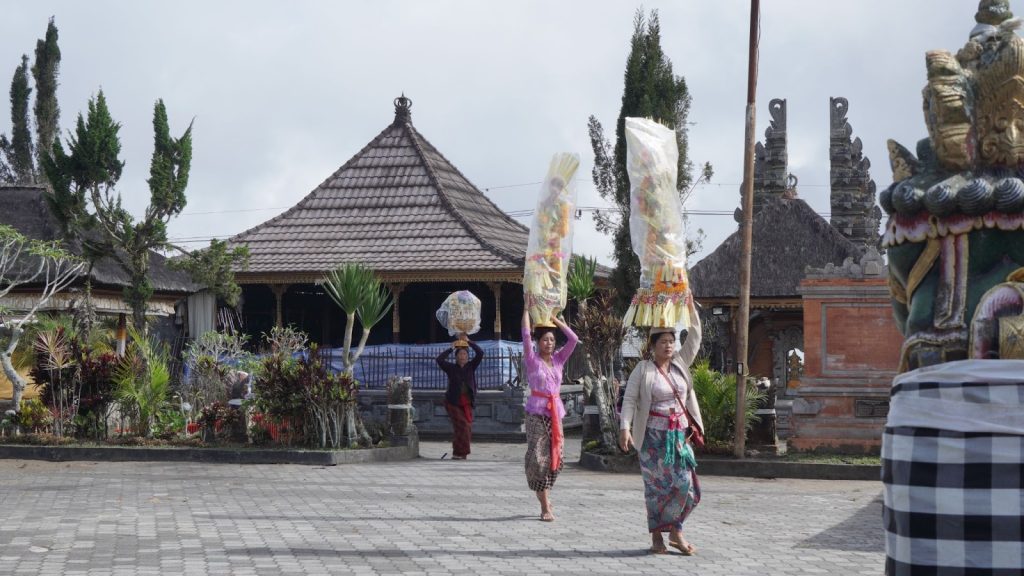
Introduction: The First Guardians of Bali’s Soul Long before temples filled with tourists and beach clubs lined the coast, there were the Bali Aga, the original Balinese people. In the highlands and remote mountain villages like Trunyan and Tenganan, this ancient community continues to preserve a way of life that predates even the Majapahit Empire. At Desa Oculus, we are inspired by the wisdom, rituals, and sacred geometry of the Bali Aga. Their stories are woven into our architecture, our values, and our deep respect for place and time. Understanding the Bali Aga is to understand Bali before Bali, raw, spiritual, and untouched by the outside world. 1. Who Are the Bali Aga? The term Bali Aga (sometimes spelled Bali Mula) means “original Balinese”. They are considered the descendants of Bali’s first inhabitants, long before the arrival of Javanese Hindu kingdoms that influenced much of modern Balinese culture. These communities have lived in isolation for centuries, especially in mountainous regions like Kintamani, Karangasem, and parts of Bangli. This geographic separation helped preserve their distinct languages, customs, architecture, and beliefs. 2. Spirituality and Cosmology: The Center of Life While Hinduism is practiced across Bali, the Bali Aga’s version is less influenced by Indian or Javanese traditions and more rooted in animism and ancestral worship. In Trunyan village near Lake Batur, the dead are not buried but placed under a sacred tree called Taru Menyan, whose scent masks the odor of decay, a practice unheard of elsewhere in Bali. 3. Traditional Architecture and Sacred Geometry The layout of Bali Aga villages is guided by spiritual order and balance, principles that deeply influenced the design of Desa Oculus. These architectural philosophies reflect symmetry, spirituality, and sustainability, the core pillars of Bali Aga life and our design vision at Desa Oculus. 4. Culture, Rituals, and Time Bali Aga villages follow a local calendar, distinct from the Balinese Pawukon or Saka systems, and mark their own time with ceremonies passed down orally for generations. Famous rituals include: These ceremonies are not performed for tourism. They are living traditions, for the ancestors, for the land, for the soul. 5. Language and Isolation Most Bali Aga people speak Bali Mula or local dialects, which are significantly different from modern Balinese or Bahasa Indonesia. This linguistic difference further preserved their cultural identity and autonomy, even as the rest of Bali became more globalized. Until recent decades, outsiders were rarely allowed to enter certain villages. Rules about marriage, entry, and dress reflect a desire to protect sacred space from external dilution. At Desa Oculus, we embrace this spirit of reverence and responsibility, ensuring our presence uplifts rather than intrudes. 6. Challenges in a Modern World Like many indigenous cultures, the Bali Aga communities now face the challenge of balancing preservation with progress: But many villages are working with anthropologists, designers, and local government to document their heritage, empower youth, and share their story, on their terms. Closing Reflection: A Legacy We Must Protect The Bali Aga are not relics of the past. They are living cultures, still walking their ancestors’ path through forests, terraces, and ceremonies that remind us what it means to live in balance with nature and spirit. At Desa Oculus, we do not just observe Bali Aga culture, we honor it. From our architectural choices to our community partnerships and cultural programming, we invite our guests to look beyond the surface and see Bali’s original soul, untamed, sacred, and true.
Mount Batur: The Sacred Volcano That Shapes Our Soul and Surroundings
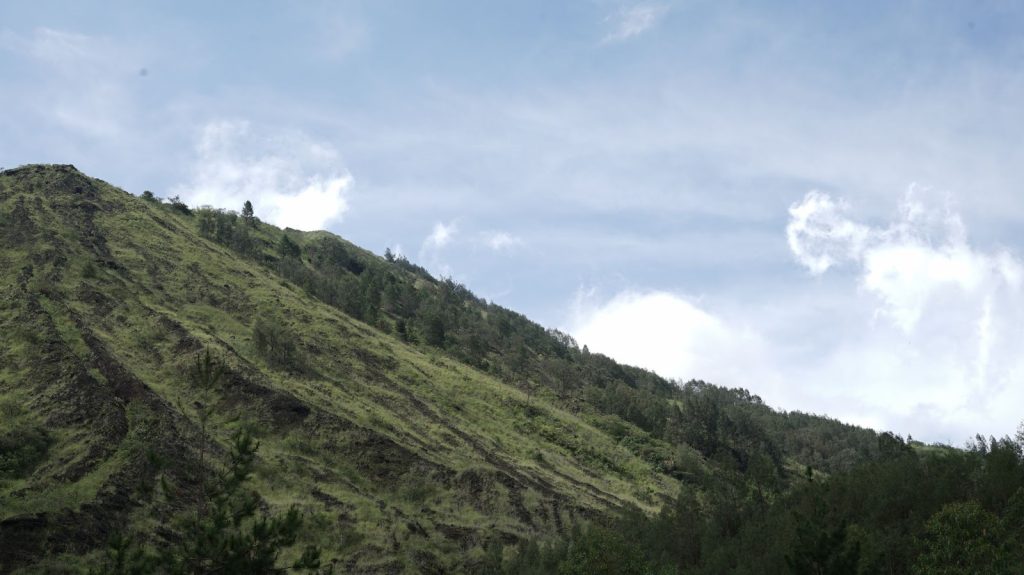
Introduction: Where Nature and Spirit Meet In the heart of Kintamani lies a force of nature that does more than shape landscapes, it shapes identities. Mount Batur is more than a mountain. It is a sacred being, a living memory, and a source of both power and peace. At Desa Oculus, we are honored to stand in its presence, sharing space with a volcano that has influenced generations of belief, livelihood, and resilience. This article is a tribute to Mount Batur’s layered significance, as a geological wonder, a spiritual center, and a cultural compass for Bali’s highland communities. 1. The Spirit of the Volcano For the Balinese, Mount Batur is not just scenery, it is sacred geography. It is believed to be the dwelling of Dewi Danu, the goddess of Lake Batur and the bringer of life-giving water. Alongside Mount Agung, Mount Batur forms the cosmic balance of Bali, where heaven and earth, gods and humans, exist in harmony. At the edge of the caldera lies Pura Ulun Danu Batur, one of Bali’s most important temples. It is here that villagers from across the island come to offer prayers, give thanks for fertile lands, and participate in ceremonies like Ngusaba Kedasa, honoring the cycles of nature and the protection of the mountain. 2. A Living Earth: Mount Batur’s Geology Mount Batur is part of the Pacific Ring of Fire, and its caldera is one of the most striking in the world. Formed by a massive eruption over 29,000 years ago, it now cradles Lake Batur, Bali’s largest lake, inside a double caldera. The mountain remains an active volcano, with the last significant eruption in 2000. But far from fear, the Balinese embrace this activity as a reminder of nature’s vitality, a cycle of destruction and renewal that is at the heart of Balinese Hindu philosophy. The entire area is part of the UNESCO Batur Global Geopark, recognized not only for its unique landscape but for the deep connection between the people and the land. 3. A Culture Rooted in the Mountain To live near Mount Batur is to live with both humility and strength. For generations, local communities like Kedisan, Songan, Batur, and Trunyan have built lives shaped by the mountain, through agriculture, ritual, and storytelling. Crops flourish in the fertile volcanic soil, oranges, coffee, and vegetables are grown with traditional methods passed down through time. Ceremonial calendars are guided by the rhythms of the moon and the mountain. And local folklore keeps alive the myths that explain why Mount Batur rumbles, rests, and rises with such grace. At Desa Oculus, we honor these living traditions through every design detail, ritual offering, and cultural program, so our guests not only see the mountain, but feel its meaning. 4. A Landscape for Pilgrimage and Reflection Climbing Mount Batur at sunrise has become a rite of passage for travelers, but for the Balinese, it is something more profound: a pilgrimage. Each step is an act of devotion, each breath a reminder of the gods above and the land below. As the sun rises, casting light over Lake Batur and the entire Kintamani basin, the view becomes a metaphor, of beginnings, of transformation, of awakening. At Desa Oculus, you don’t need to climb the mountain to experience its magic. Our Summit Suites and Kedisan Lounge offer uninterrupted views that allow you to meditate, dine, or simply breathe with the volcano in sight, always present, always powerful. 5. Sustaining What is Sacred Tourism in Kintamani is growing, and with it, the responsibility to protect what makes this place special. At Desa Oculus, we believe that luxury and sustainability can coexist. We use eco-conscious design, work with local farmers, support traditional artisans, and invite our guests to be part of that stewardship. Mount Batur teaches us impermanence, power, and humility. And we believe that to honor the mountain is to live in harmony with it, not just visit it. Closing Reflections Mount Batur is more than a backdrop, it is Bali’s highland heart. It nourishes the land, anchors the culture, and invites every traveler to slow down and reflect. Whether you’re soaking in the view from our infinity pool, joining a cultural dinner under the full moon, or exploring the caldera trails, you are walking in the shadow of a sacred volcano that has watched over Bali for thousands of years. Welcome to Kintamani. Welcome to Desa Oculus. Welcome to the mountain.