Bali Aga: The Original Balinese Heritage That Still Breathes Today
Introduction: The First Guardians of Bali’s Soul
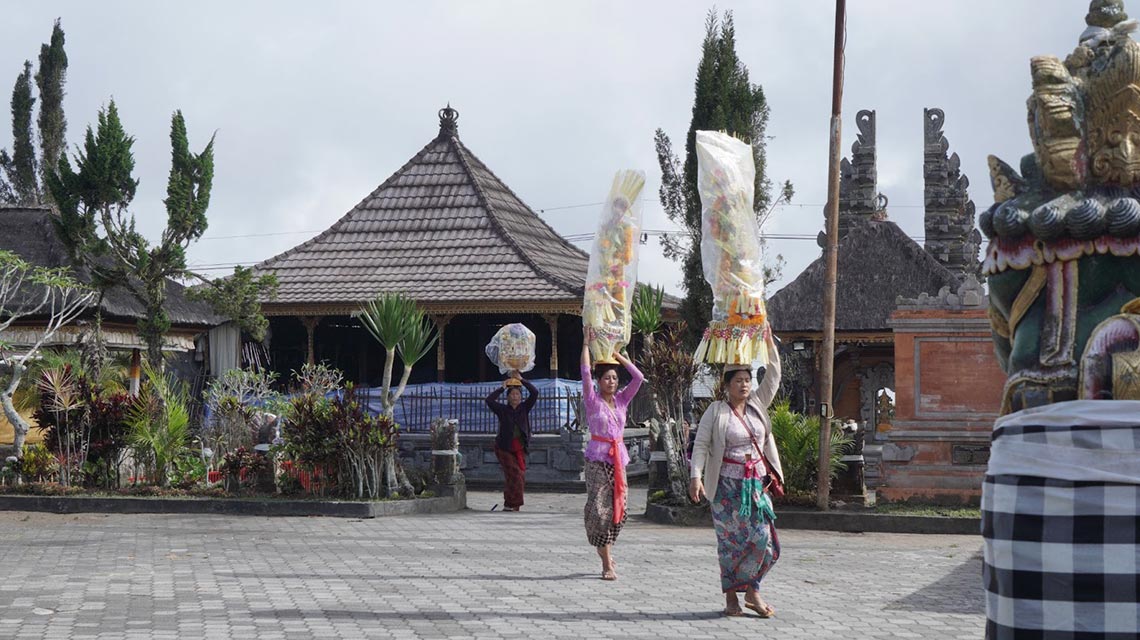
Long before temples filled with tourists and beach clubs lined the coast, there were the Bali Aga, the original Balinese people. In the highlands and remote mountain villages like Trunyan and Tenganan, this ancient community continues to preserve a way of life that predates even the Majapahit Empire.
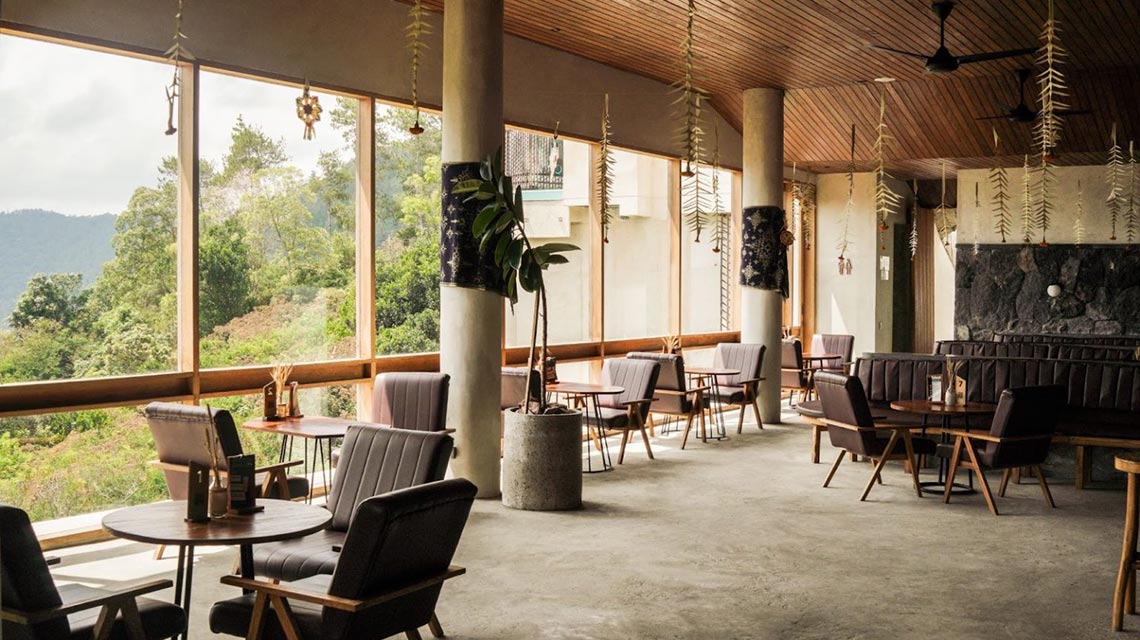
At Desa Oculus, we are inspired by the wisdom, rituals, and sacred geometry of the Bali Aga. Their stories are woven into our architecture, our values, and our deep respect for place and time. Understanding the Bali Aga is to understand Bali before Bali, raw, spiritual, and untouched by the outside world.
1. Who Are the Bali Aga?
The term Bali Aga (sometimes spelled Bali Mula) means “original Balinese”. They are considered the descendants of Bali’s first inhabitants, long before the arrival of Javanese Hindu kingdoms that influenced much of modern Balinese culture.
These communities have lived in isolation for centuries, especially in mountainous regions like Kintamani, Karangasem, and parts of Bangli. This geographic separation helped preserve their distinct languages, customs, architecture, and beliefs.
2. Spirituality and Cosmology: The Center of Life
While Hinduism is practiced across Bali, the Bali Aga’s version is less influenced by Indian or Javanese traditions and more rooted in animism and ancestral worship.
- Their temples are simpler, often built from wood and bamboo, but they hold deep meaning.
- Nature, from mountains and lakes to stones and trees, is considered sacred.
- Rituals often involve cycles of life, death, fertility, and harmony with the spirits of the land.
In Trunyan village near Lake Batur, the dead are not buried but placed under a sacred tree called Taru Menyan, whose scent masks the odor of decay, a practice unheard of elsewhere in Bali.
3. Traditional Architecture and Sacred Geometry
The layout of Bali Aga villages is guided by spiritual order and balance, principles that deeply influenced the design of Desa Oculus.
- Villages like Tenganan Pegringsingan follow a linear layout, symbolizing harmony with the cosmos.
- Houses are passed down through the female line, built of stone and wood with unique thatched roofing.
- No fences divide homes, a reflection of community over individualism.
- Geringsing cloth, considered to have mystical protection powers, is a hallmark of Tenganan and the visual motif that inspires Desa Oculus’ branding.
These architectural philosophies reflect symmetry, spirituality, and sustainability, the core pillars of Bali Aga life and our design vision at Desa Oculus.
4. Culture, Rituals, and Time
Bali Aga villages follow a local calendar, distinct from the Balinese Pawukon or Saka systems, and mark their own time with ceremonies passed down orally for generations.
Famous rituals include:
- Mekaré-karé (Perang Pandan): A ritual combat using rattan shields and thorny pandan leaves, honoring the god of war.
- Ngusaba Ceremony: A communal offering to the gods for harvest and protection.
- Usaba Sambah: A month-long fertility and coming-of-age ritual held in June or July.
These ceremonies are not performed for tourism. They are living traditions, for the ancestors, for the land, for the soul.
5. Language and Isolation
Most Bali Aga people speak Bali Mula or local dialects, which are significantly different from modern Balinese or Bahasa Indonesia. This linguistic difference further preserved their cultural identity and autonomy, even as the rest of Bali became more globalized.
Until recent decades, outsiders were rarely allowed to enter certain villages. Rules about marriage, entry, and dress reflect a desire to protect sacred space from external dilution.
At Desa Oculus, we embrace this spirit of reverence and responsibility, ensuring our presence uplifts rather than intrudes.
6. Challenges in a Modern World
Like many indigenous cultures, the Bali Aga communities now face the challenge of balancing preservation with progress:
- Tourism brings visibility but risks commodifying rituals.
- Younger generations are tempted by urban life and economic promise.
- Climate change and development threaten their land-based customs.
But many villages are working with anthropologists, designers, and local government to document their heritage, empower youth, and share their story, on their terms.
Closing Reflection: A Legacy We Must Protect
The Bali Aga are not relics of the past. They are living cultures, still walking their ancestors’ path through forests, terraces, and ceremonies that remind us what it means to live in balance with nature and spirit.
At Desa Oculus, we do not just observe Bali Aga culture, we honor it. From our architectural choices to our community partnerships and cultural programming, we invite our guests to look beyond the surface and see Bali’s original soul, untamed, sacred, and true.