
Few experiences in Bali carry the quiet power of standing at the edge of Mount Batur’s caldera, watching the morning mist pull away from the lake below and the volcanic ridgeline come slowly into view. A Kintamani volcano tour is one of the island’s most rewarding highland experiences — and one that rewards a little preparation. Whether you are a first-time visitor to Bali or returning to see a part of the island you have always skipped, this guide will help you understand what to expect, how to plan well, and how to get the most from the journey.
What Is a Kintamani Volcano Tour?
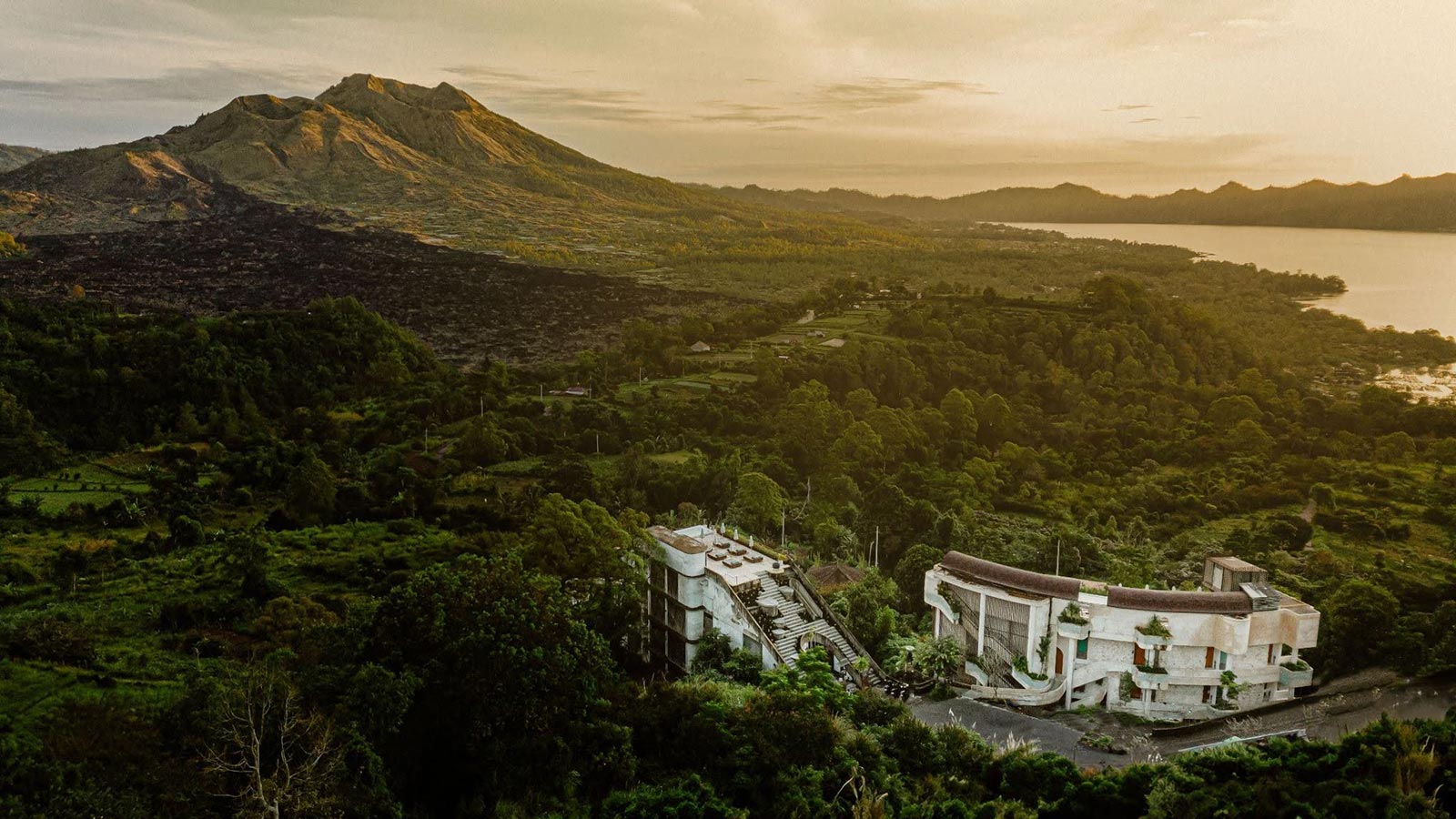
A Kintamani volcano tour is an experience centred on Mount Batur — an active stratovolcano rising to roughly 1,717 metres above sea level in the Bangli Regency of central Bali. The surrounding Kintamani highlands form a dramatic caldera landscape that includes Lake Batur, ancient lava fields, and a series of smaller volcanic cones, all framed by cool highland air and sweeping open skies that feel entirely different from coastal Bali.
Tours vary in format. Some take the form of guided hikes to the summit — typically timed to reach the peak by sunrise. Others focus on the wider caldera region, taking visitors through highland villages, past geothermal vents, and along the crater rim. Many travellers combine a volcano experience with a visit to Pura Ulun Danu Batur, one of Bali’s most spiritually significant temples, which sits at the edge of the caldera. The term ‘Kintamani volcano tour’ broadly describes any guided or self-guided exploration of this volcanic landscape and its surroundings.
Who Is This Experience Best For?
The Kintamani volcanic landscape appeals to a wide range of travellers. For hikers and outdoor enthusiasts, the Mount Batur summit trek is a genuine physical challenge that delivers extraordinary rewards — particularly the sunrise view from the top. For those who prefer a more relaxed pace, the crater rim viewpoints, the volcanic hot springs at the base of the mountain, and the serene shores of Lake Batur offer an immersive highland experience without requiring a pre-dawn climb.
This is a particularly good experience for travellers who want to see a different side of Bali — one that is cooler, quieter, and further removed from the tourist infrastructure of the southern coast. Families with older children, couples, solo travellers, and small groups all tend to find something meaningful here.
What to Expect on a Kintamani Volcano Tour
The Landscape and Scenery
The visual scale of the Kintamani caldera is something that surprises most visitors. The crater stretches for kilometres, with Lake Batur sitting quietly in the basin below and layers of volcanic rock tracing the history of the mountain’s eruptions across the terrain. On clear mornings — which are most common between the dry season months — the view extends toward Mount Agung in the east and the highlands of central Bali in all directions. Even on overcast days, the dramatic quality of the landscape is hard to diminish.
Common Tour Routes and Activities
The most well-known activity is the Mount Batur sunrise trek, which typically involves departing in the very early hours of the morning to reach the summit by first light. The hike takes around two hours on the ascent, depending on pace and trail conditions, and guides are required by local regulation — a sensible rule given the volcanic terrain and shifting weather. At the summit, visitors often cook eggs over natural geothermal vents, a small ritual that has become part of the experience.
Beyond the trek, visitors can explore the caldera rim by vehicle or on foot, stop at viewpoints that look over the lake, visit the volcanic black-sand shores at the water’s edge, or soak in the natural hot springs. A number of local villages in the highlands, including Trunyan — a village known for its ancient Bali Aga burial tradition — add cultural depth to the volcanic landscape if you have time to explore further.
When Is the Best Time to Go?
Kintamani sits in Bali’s highland interior, which means its weather patterns differ from the coast. The dry season — broadly from April through October — offers the clearest skies and the most reliable conditions for trekking and viewing. April, May, and September tend to be particularly pleasant: the air is clear, the mornings are cool and crisp, and the summit views are often at their best.
The wet season, from November through March, brings more cloud cover and afternoon rain, though mornings can still be clear enough for a summit attempt. The rainy season also means greener, lusher highland scenery — a different kind of beauty. Regardless of the time of year, early mornings are when the volcano is at its most atmospheric and crowd-free. Arriving at the viewpoints or beginning the trek before 6am is always worthwhile.
What to Wear and Bring
The Kintamani highlands sit at elevation, and temperatures at the summit of Mount Batur can be noticeably cooler than at sea level — particularly before sunrise. Even if you are coming from a hot day on the coast, prepare for cool and potentially windy conditions at the top.
- A light to mid-weight jacket or fleece layer
- Comfortable, closed-toe walking shoes with grip — trail runners are ideal
- A head torch or small flashlight if trekking before sunrise
- A small daypack with water and a light snack
- Sunscreen and a hat for the descent, when the sun can be strong
- A light rain layer if visiting during the wet season
- Cash for entrance fees, guides, and any local purchases
How Staying in Kintamani Changes the Experience
Most visitors to Mount Batur arrive on day trips from Ubud or further south — which means an early departure, a long drive on mountain roads in the dark, and a rushed return before the heat of the day sets in. It works, but it is a fundamentally different experience from staying in the highlands and waking up already close to the volcano.
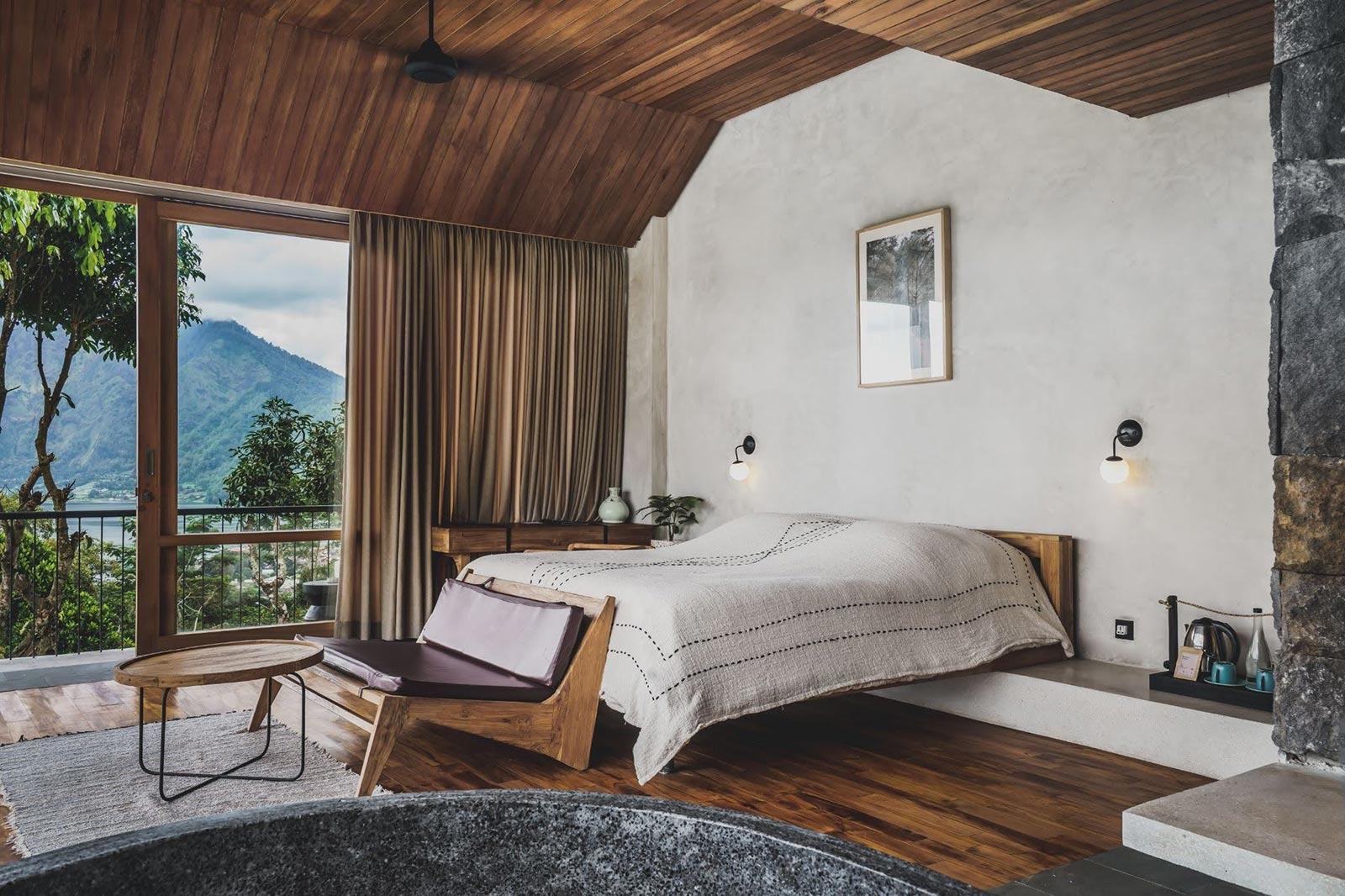
When you base yourself in Kintamani overnight, the pace of the experience shifts. You can watch the light change on the caldera as the sun sets the evening before. You wake up without the pressure of a long transfer, step outside into cool highland air, and make your way to the trailhead or viewpoint at a genuinely unhurried pace. The post-trek hours — when you have already earned that view from the summit — can be spent lingering over a late breakfast with the mountain still in sight, rather than rushing back into a vehicle for the drive south.
The quieter hours of the morning and evening, which day-trippers miss entirely, are often when Kintamani is at its most beautiful. The mist moving through the caldera at dusk, the sound of the highlands settling into night, the temperature dropping gently as darkness comes — these are things that require time to experience, and time requires proximity.
“The best views from the caldera are not the ones you drive to see. They are the ones still there when everyone else has left.”
Where to Stay in Kintamani
Desa Oculus is a scenic highland stay in Kintamani, positioned to take full advantage of the caldera setting. With clear views of Mount Batur and the surrounding volcanic landscape, it offers guests a calm, immersive base from which to experience the highlands at their own pace — whether that means joining an early morning hike, spending a quiet afternoon watching the clouds move across the crater rim, or simply resting in an elevated setting that feels genuinely removed from the noise of southern Bali.
The property’s elevated position means that the views guests wake up to are the same ones that draw travellers to Kintamani in the first place — no transfer required. It is a natural choice for anyone who wants to deepen a volcano tour experience by giving it more time and more stillness.
Practical Tips Before You Go
- Guides are mandatory for the Mount Batur summit trek — book through a registered local guide association
- Bring exact cash; many small stalls and entrance checkpoints do not accept cards
- The summit can be cold and windy even if the base feels warm — always bring a layer
- Check the weather forecast the evening before for the clearest morning conditions
- If you are prone to altitude sensitivity, take the ascent slowly and stay hydrated
- Respect the volcanic environment — the mountain has cultural and spiritual significance for Balinese communities
A Landscape That Stays With You
A Kintamani volcano tour is not just an item to check off a Bali itinerary. It is a genuine encounter with one of Southeast Asia’s most dramatic highland landscapes — a place where volcanic geology, Balinese spirituality, and extraordinary natural scenery converge in a way that very few destinations can match. Come prepared, give it time, and let the landscape offer what it does best: a perspective on Bali that is quieter, cooler, and considerably more vast than anything you will find at the beach.
If you are planning to stay overnight in Kintamani and want to wake up already inside the view, explore what Desa Oculus offers — a considered highland stay built for exactly this kind of experience.
→ View Kintamani accommodation at Desa Oculus